


Winter is a very special time for wildlife photographers in the National Parks of the Rockies. As frigid temperatures move in, Yellowstone, Grand Teton, and Rocky Mountain National Parks see far fewer guests and photographers often have the feeling that they are alone in the wilderness of these special places. For me, there is no better time than winter. While you might lose some of the excitement of rut behavior, you gain snow-covered gorgeous landscapes and the feeling of solitude in some of the world’s most beautiful places. But the tradeoff is harsh weather conditions. Fortunately, the Rockies are generally dry, so the cold can feel less imposing than in more humid climates. But with good gear planning, the cold can be manageable, and its a great time to photograph wildlife. In this post, we break down top recommendations for what to pack for gear, clothing, and more for winter photography travel to Yellowstone, the Tetons, and other areas of the Rocky Mountains.
Photography Gear
When it comes to cameras and lenses, there is no set answer for what to take to Yellowstone or for wildlife in the Rockies in general. Photographers all have different priorities and budgets. That said, the following recommendations align with commonly preferred approaches to wildlife in Yellowstone and what I generally bring to Yellowstone and Grand Teton National Parks in the winter.
Camera Bodies
My go-to camera body for Yellowstone and wildlife photography in general is a Sony A1. Sony now makes an A1 II that offers some new features, but I like the A1 (and would like the A1 II) because it’s a full-frame, mirrorless, high megapixel, fast sports body that checks every box for me for wildlife photography. Note: I don’t prefer the A1 over the A1 II. There just aren’t enough reasons for the upgrade from the A1.
Higher MP cameras are important for my shooting. For one, higher MP images give me the ability to crop while maintaining good resolution. There are days that the animals are simply so far that the composition I might want can only be achieved with significant cropping. Additionally, I like photographing individual aspects of animals such as a bison eye or bear claw. A good telephoto lens and a high MP camera can go a long way. Because it’s good to have a second body on hand, I also bring a Sony A7R5 and/or a Sony A7 IV. For me, the A7R5 is slower than the A1 but offers more megapixels. The A7 IV offers the fewest number of megapixels but is excellent at low light. While wildlife is my focus, animals can be tougher to find in the winter. A camera setup for landscapes can be great to have on hand.
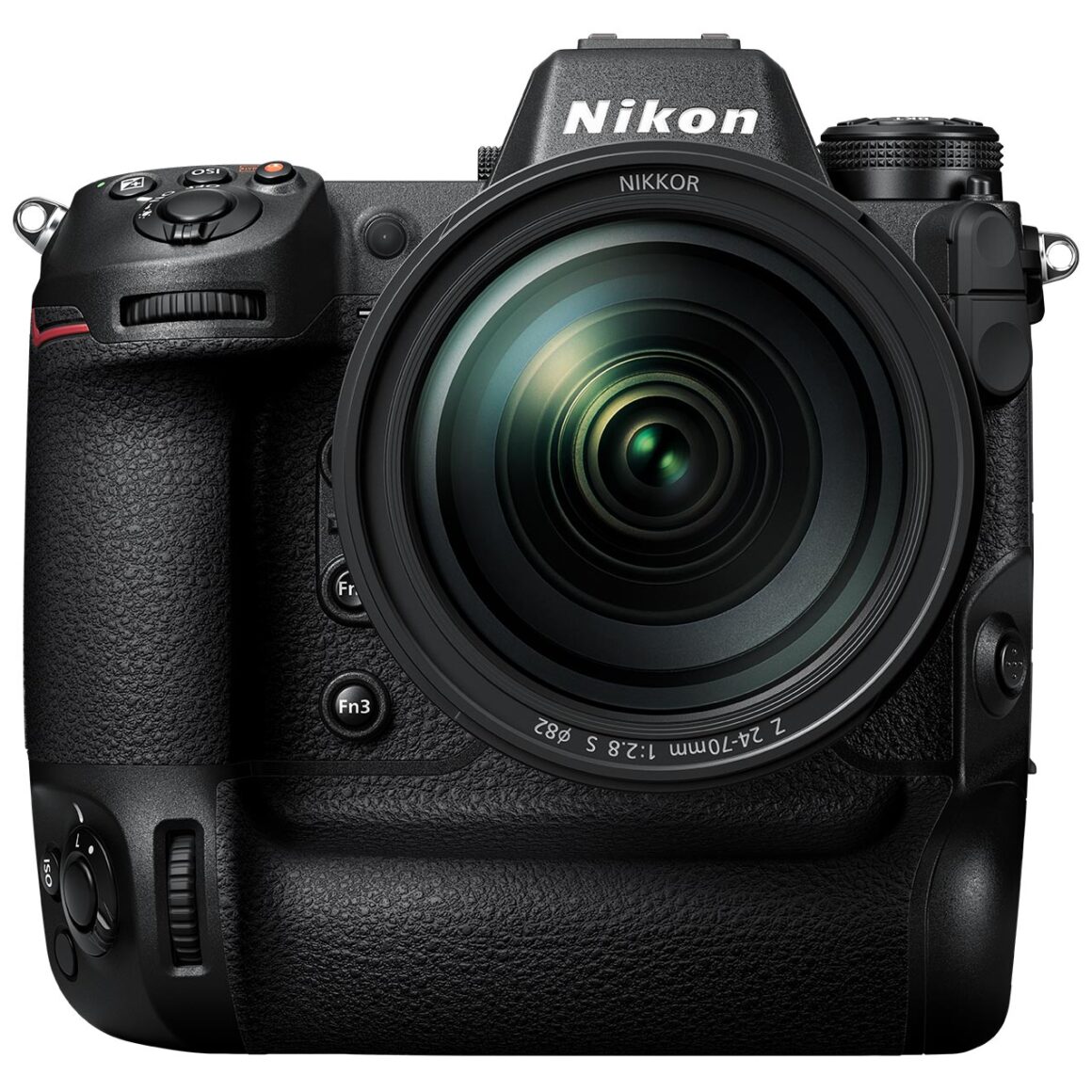
For Nikon users, comparable bodies to the Sony would be the Nikon Z9 (which is 45.7MP and offers insane burst rates depending on the mode) or the Nikon Z8 (which is a 45.7MP camera that can reach up to 20 frames per second raw). The Nikon Z6 III offers 24.5 MP and up to 20fps raw).
And while there are many more outstanding cameras to consider, we’ll keep this list to the “big three” (Sony, Nikon, Canon) and end with Canon. The Canon R5 and R5 II are phenomenal fast, high MP mirrorless bodies that best compare to the Sony A1 and Nikon Z8. The Canon R1 is Canon’s flagship camera and is a great option (with fewer MPs but higher frame rate and other features), and the like with Sony and Nikon, there are a variety of other options that would also make for great cameras for photographing wildlife.
If you are considering other camera brands, please keep durability in mind. From moisture to cold, there is a lot that can impact gear. Batteries, for example, might drain faster the colder it is outside. A good camera for winter should be able to withstand some moisture and have batteries that don’t drain too quickly.
Lenses
Sony
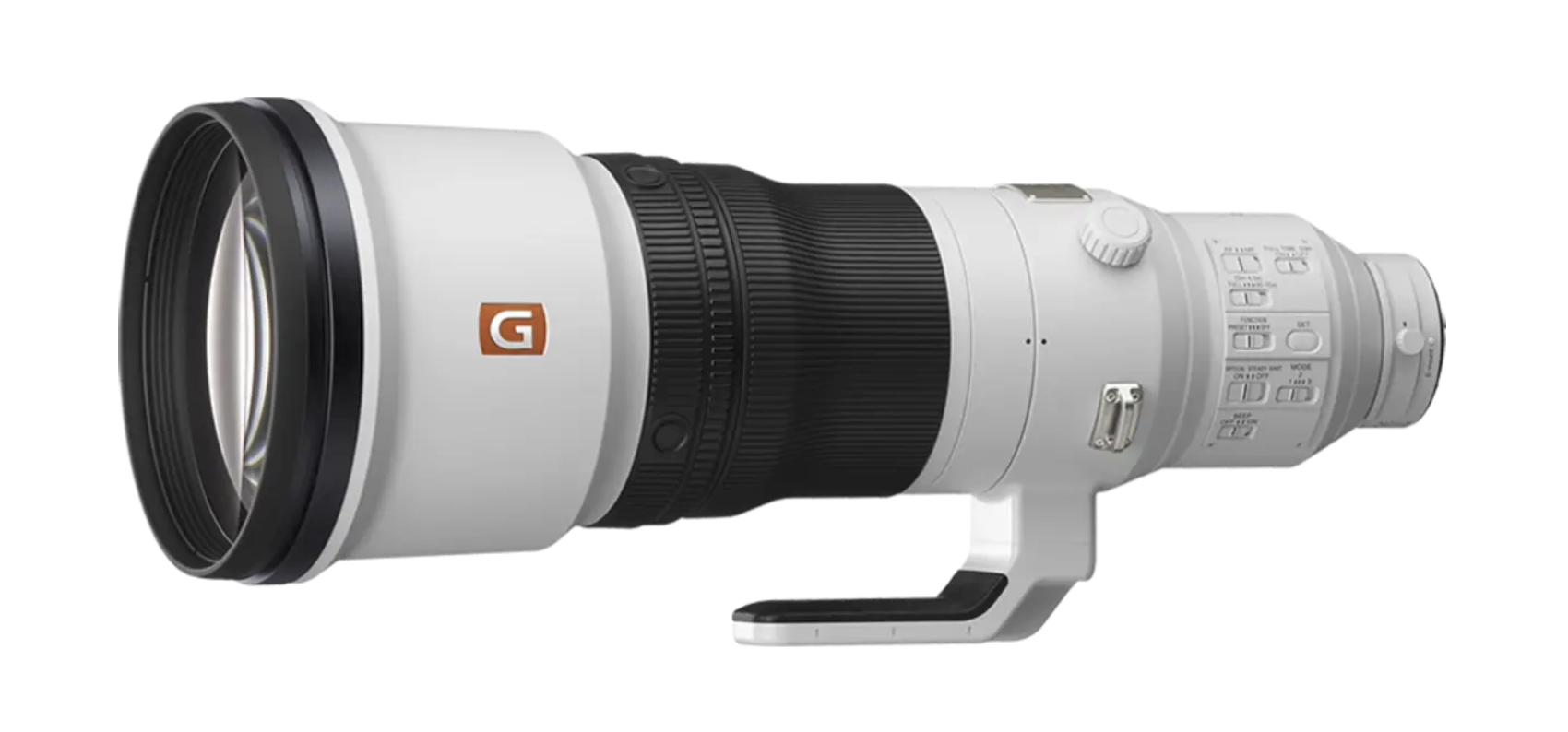
A lens with good reach goes a long way with wildlife. In winter, when there is snow on the ground, using the reach of a lens might be far easier than trekking through snow. For me, prior to using the Sony 600mm f/4, the Sony FE 200-600mm f/5.6-6.3 G lens was the lens for me in the Park. That range of 200-600 can cover a wide variety of situations, and in many instances, this lens is less restrictive than a 600. Sometimes with the 600, animals are closer or move closer, and I am stuck at 600. Another favorite for many is a 400mm f/2.8; however for my needs and for travel, I use a 300mm f/2.8. This is a great lens that costs less than a 400 and can be well-paired with a 1.4x or 2x teleconverter. Note: Be sure to have a good lens foot for these larger lenses.
In addition to these long lenses, I like to be prepared for scenarios in which the animals are farther away or even not present at all. When I shoot in the winter, I like to be ready for landscape shooting as well, so that I am coming home with shots. And when conditions make it harder to get as close to animals as you’d like, it’s good to be ready to take landscape photos with animals present in the photos. A 16-35mm f/2.8 lens can cover a variety of needs, and a 24-70mm f2.8 can be great to have along as well. And if those bigger lenses above are too big, a 70-200mm f/2.8 (especially with a teleconverter) is another excellent option.
Nikon
For Nikon users, the NIKKOR Z 180-600mm f/5.6-6.3 lens can cover a wide range of focal lengths and be great as a (nearly) all-purpose lens for wildlife photography at a moderate price. The NIKKOR Z 600mm f/4 TC VR S lens is an impressive lens that includes a built-in 1.4x teleconverter that enables photographers to easily switch to a 800mm f5.6 — a very cool feature. Similarly, the NIKKOR Z 400mm f/2.8 TC VR S lens offers a lower aperture than the 600mm but also includes a built-in 1.4x teleconverter to easily switch this lens to a 560mm f/4. Again, do be sure to have a lens foot for these lenses.
Also for consideration: A NIKKOR Z 24-70mm f/2.8 and a NIKKOR Z 70-200 f/2.8 (especially with a teleconverter) can be excellent lenses for landscape and wildlife photography.
Canon
The Canon RF 200-800mm f/6.3-9 lens covers a broad range of focal lengths and is moderately priced though it doesn’t have some of those lower apertures that can be great for speed and blurring backgrounds. Canon also offers an RF 100-500mm f/4.5-7.1 that has lower f-stops. For those looking to go (very) long, Canon has an RF 800mm f/5.6 lens, and for a little less reach, Canon has an RF 400mm f/2.8 and an RF 600mm f/4 lens that are ideal for wildlife photography — especially for bears, wolves, and other animals that you’ll want to stay a little further away from.
As for smaller lenses, Canon’s RF 15-35mm f/2.8, the 24-70mm f/2.8, and their 70-200mm f/2.8 lenses are great to have.
Clothing, Apparel, Boots, Baselayers
While winter weather can sometimes feel pleasant during the day, it is essential to be prepared for the elements when getting out in the field in the winter in the Mountain West. Imagine snow, ice, wind, and freezing temperatures. Gear nowadays cane helps us adapt to most conditions. Some favorite apparel items for winter are listed below.
Gloves
Cold hands can making photography pretty difficult. Additionally, almost everything we might need to touch — from our camera bodies to our tripods — contain metal or other materials that can be cold to the touch. For me, gloves from The Heat Company, have been a game changer, as I can stay warm while not giving up function. My go-to gloves are below.
The Heat Company Merino Liner Pro gloves are great for when the temperatures get a bit chilly. Frankly, I generally want to avoid wearing gloves as nothing beats the feel and functionality of having bare hands on a camera. But when cold temperatures restrict functionality or impact stamina, I’m eager to get gloves on. For that first layer, the Merino Liner Pro gloves are a warm liner glove with an outstanding fit with great grip and the ability to use with camera touchscreens. These gloves have a pocket for handwarmers, and they are also very breathable, which is essential for situations in which hands sweat, and you need to keep from having cold, wet hands and gloves.
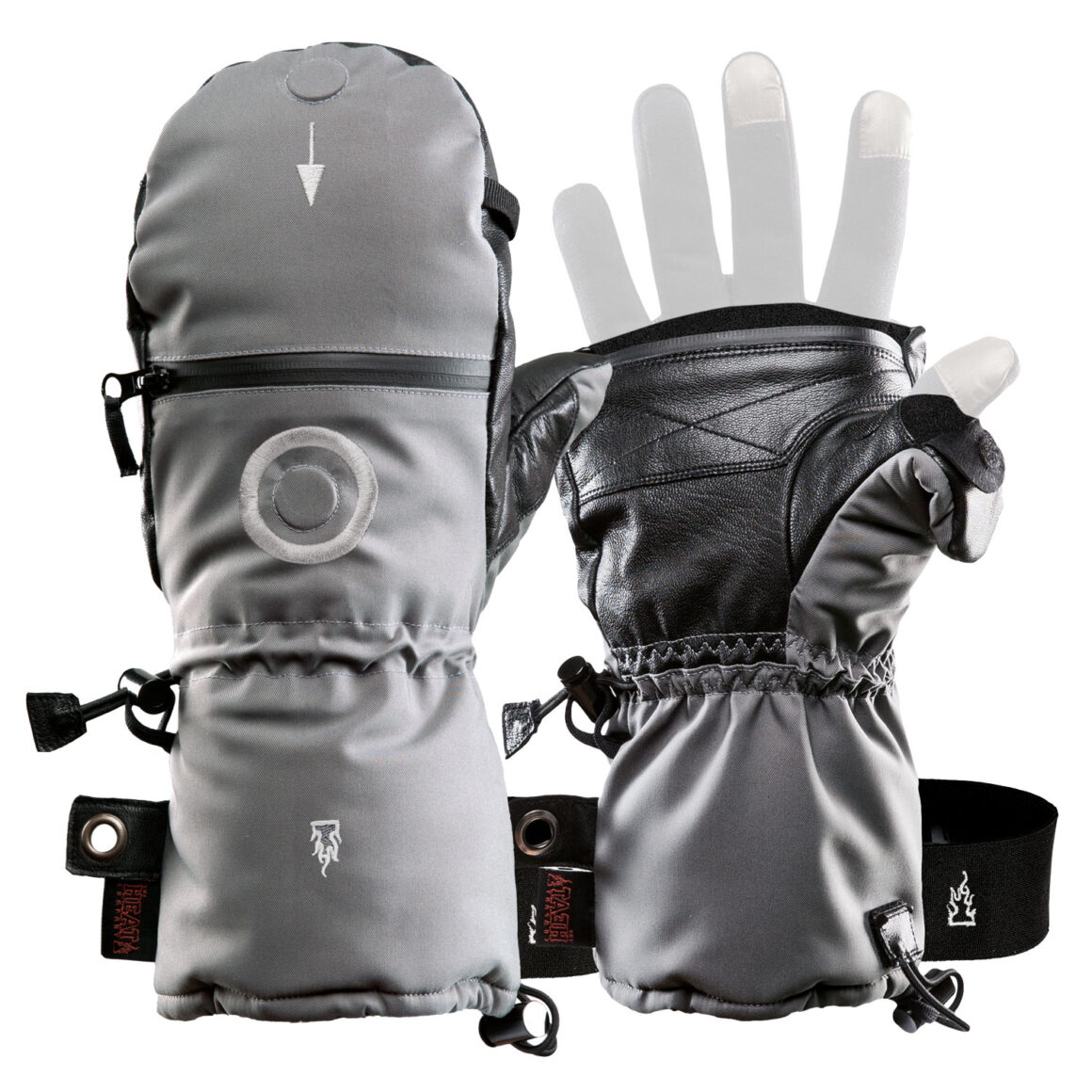
In addition to their liners, shells from the Heat Company keep my hands warm and dry. Their liners work perfectly with The Heat Company’s Shell — a windproof and water repellent mitten that has a great grip and magnets for holing the pull-back coverings for the thumbs and fingers. A leash of sorts that can be connected to your wrists make it easy to take these on and off as needed.
Baselayers
Layering is everything in the winter. If you’re an active photographer, you might frequently add or shed layers. If you’re going to put in some miles in the cold, you might want to start with minimal layering then add on after a hike to avoid sweating then having to deal with being cold and wet later.
Patagonia is a big favorite on this end for baselayers, and you’ll definitely find that preference in the items below. Note: While Patagonia is what I wear, this list should offer guidance as they types of products I go to for layering. Some other companies might offer comparable options. Also, it is worth noting that I also like layering options for my head on winter days. For this reason, I’ll generally wear more than one hooded apparel item at one time.
On warmer (yet cold) winter days, the Patagonia R1 Fleece Pullover Hoody and Patagonia Capilene Thermal Hoody are warmer technical tops that are breathable and designed for function. The Patagonia R2 TechFace Pullover is outstanding. I was even involved in the production of videos for this item. As a general first layer for cold days, the Patagonia Capeline Thermal Crewneck is also a great option.
As for baselayer bottoms, I like the Patagonia Capilene Midweight Bottoms for cool days and the Patagonia Capilene Thermal Weight Bottoms for colder days.
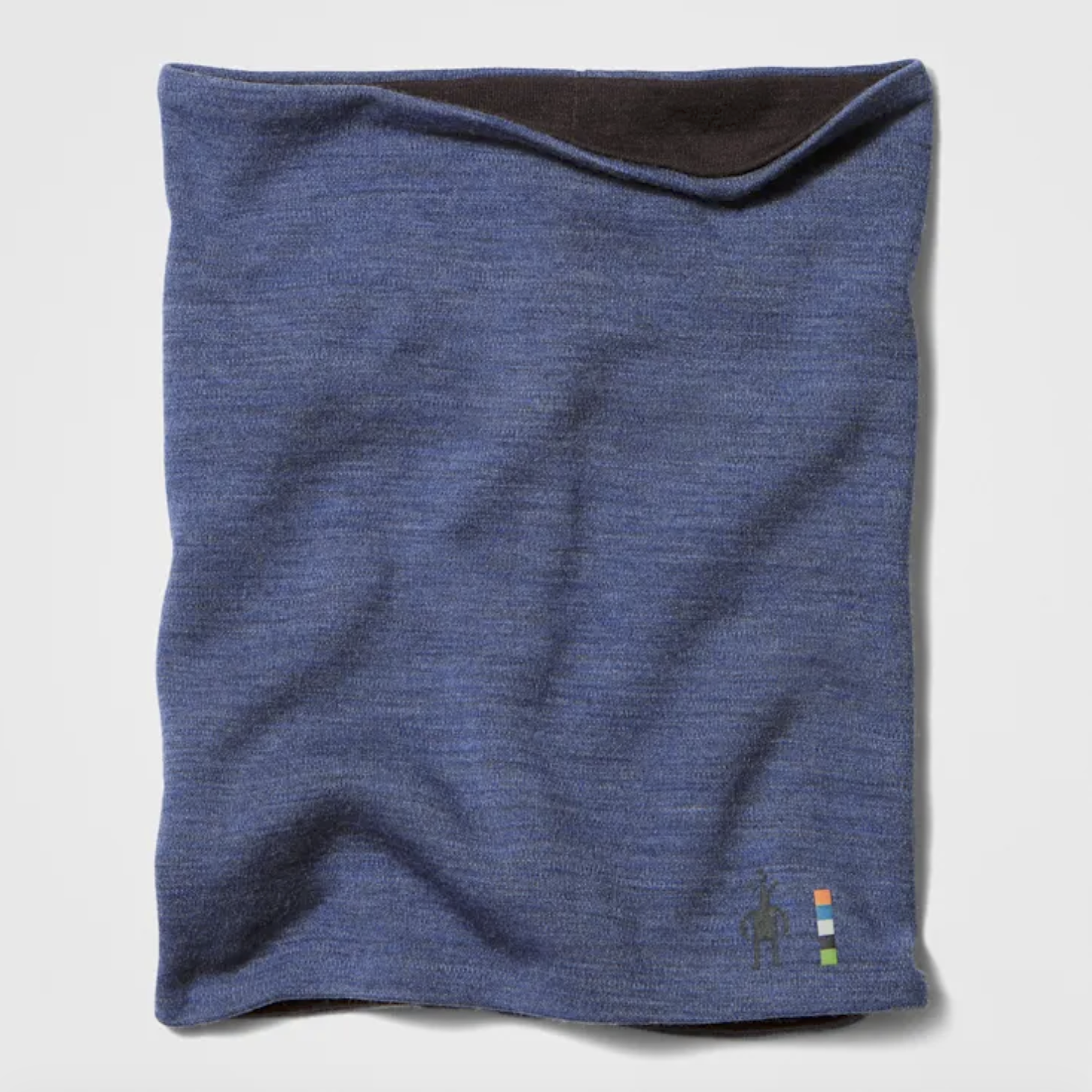
For keeping covered and even keeping warm, neck gaiters such as the Patagonia R1 Daily Neck Gaiter or the Patagonia Micro D Gaiter are great options. Patagonia used to make an incredible wool neck gaiter that is one of my all-time favorite pieces. Unfortunately, they no longer make it. I regret not buying 10 of them. A comparable option is likely the Smartwool Thermal Merino Reversible Neck Gaiter. For warmer days, consider the Patagonia Sun Mask or a Buff. Regardless of what you choose, I cannot emphasize enough the importance of good headwear, gloves, socks, and a neck gaiter in the winter. These items are essential for keeping warm and keeping you out in the elements.
Socks
My preference for socks is midweight ski and snowboard socks. Though I have heavier and thicker socks, I’ve never felt the need to go heavier if my boots have good insulation, and I want to avoid sweating as much as possible. The Smartwool Merino Wool Ski Socks are a current favorite. The Black Diamond Merino Compression Ski Socks are also outstanding but might feel somewhat snug (as they are intended to). These options aren’t too much on warmer days, and as the temperatures change throughout the day as they generally do in the Rocky Mountains, I will lower and raise the socks to maintain just the right amount of warmth.
Headwear
If you find a good beanie, buy two. It seems like most outdoors apparel companies make good beanies. But a favorite can be hard to find and preferences are subjective. Beanies are recommended for colder days as regulating head temperatures can have a big impact on how warm and cold you are throughout a day.
Jackets
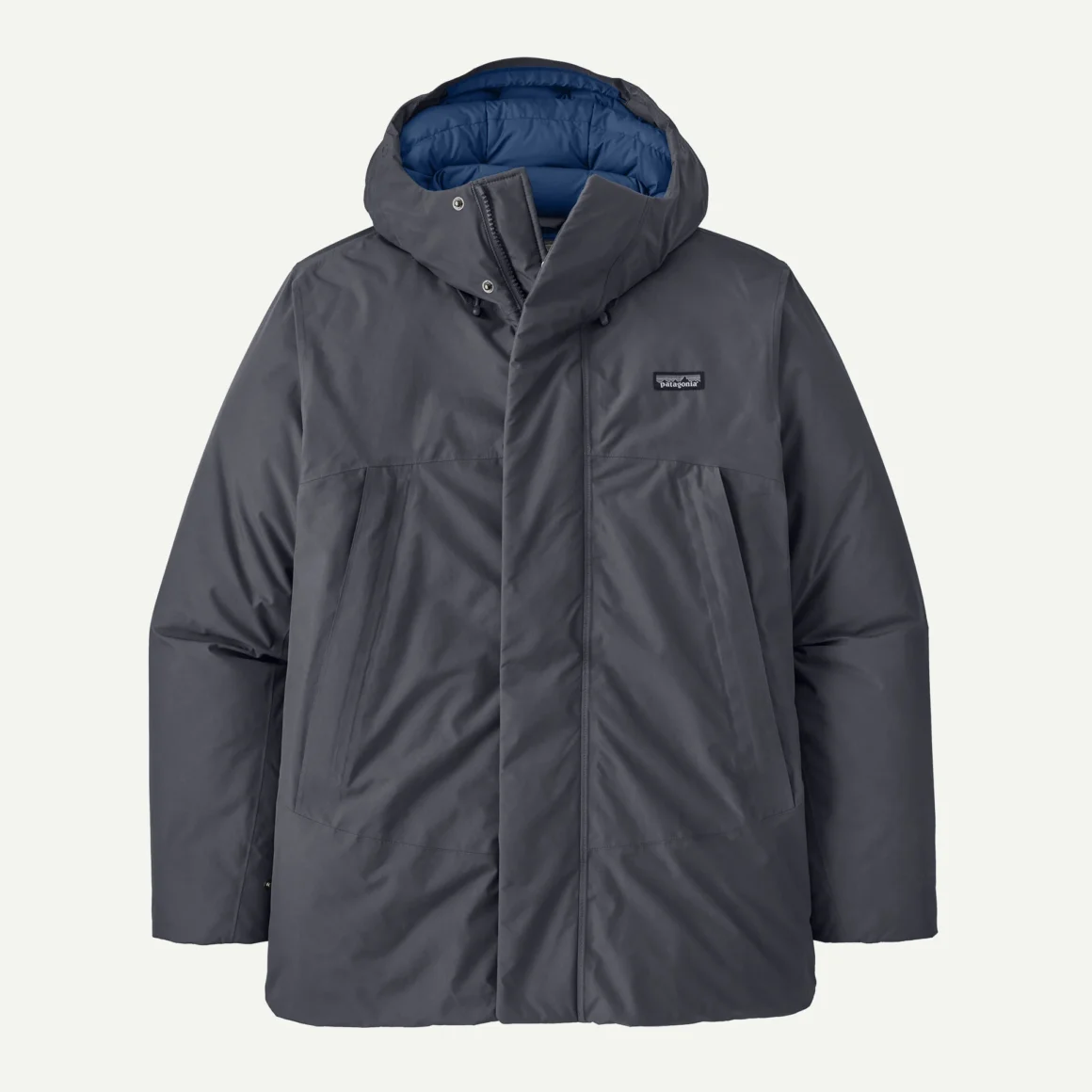
For cold winter conditions, a waterproof, wind-resistant, durable, hooded, insulated jacket is essential. On most cold days, I wear the Patagonia Down Sweater Hoody, which is fairly lightweight, packable, windproof, and water resistant. However, I don;t consider it durable if I am moving through brush. For a much heavier but waterproof option, I go with the Patagonia Jackson Glacier Jacket. If it’s not too frigid but I want to stay dry, a good waterproof ski shell over good baselayers might work just fine. And for the extreme cold, the Patagonia Stormshadow Parka is the warmest jacket I have by far. It can even get hot in there.
Pants
On mild winter days, I generally go with the Patagonia Alpine Guide Pants, which are windproof and water resistant and generally perfect, but the water resistance can only do so much, and I would not characterize these pants as quick drying.
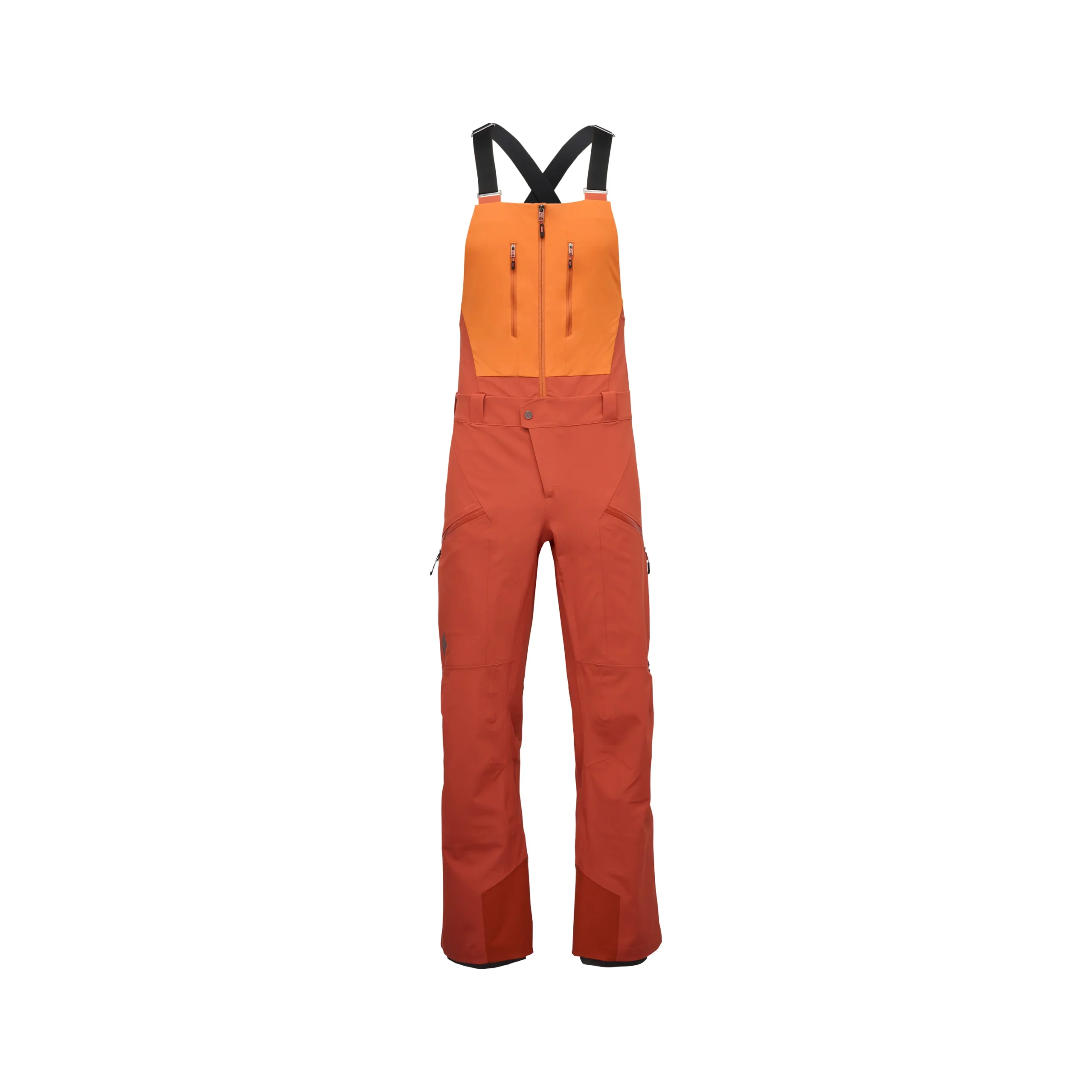
For days when it’s very cold and snowy, I would recommend ski pants or bibs. Current favorites are the Patagonia Storm Shift Pants, the Patagonia Powder Town Pants, and the Freedom Pants from The North Face. All of these options should be worn with baselayer pants. If you are going with pants, don’t forget a good belt.
Bibs make for a great choice if you plan to really be in the snow. They can be warmer than pants as well. I wear the Patagonia SnowDrifter Bibs and the Patagonia Powder Town Bibs. Though I haven’t worn them yet, I am very interested in the Black Diamond Recon Stretch Bibs. That stretch could go a long way when trekking around in the snow, up and down riverbanks, and when moving back and forth from the tripod.
Boots
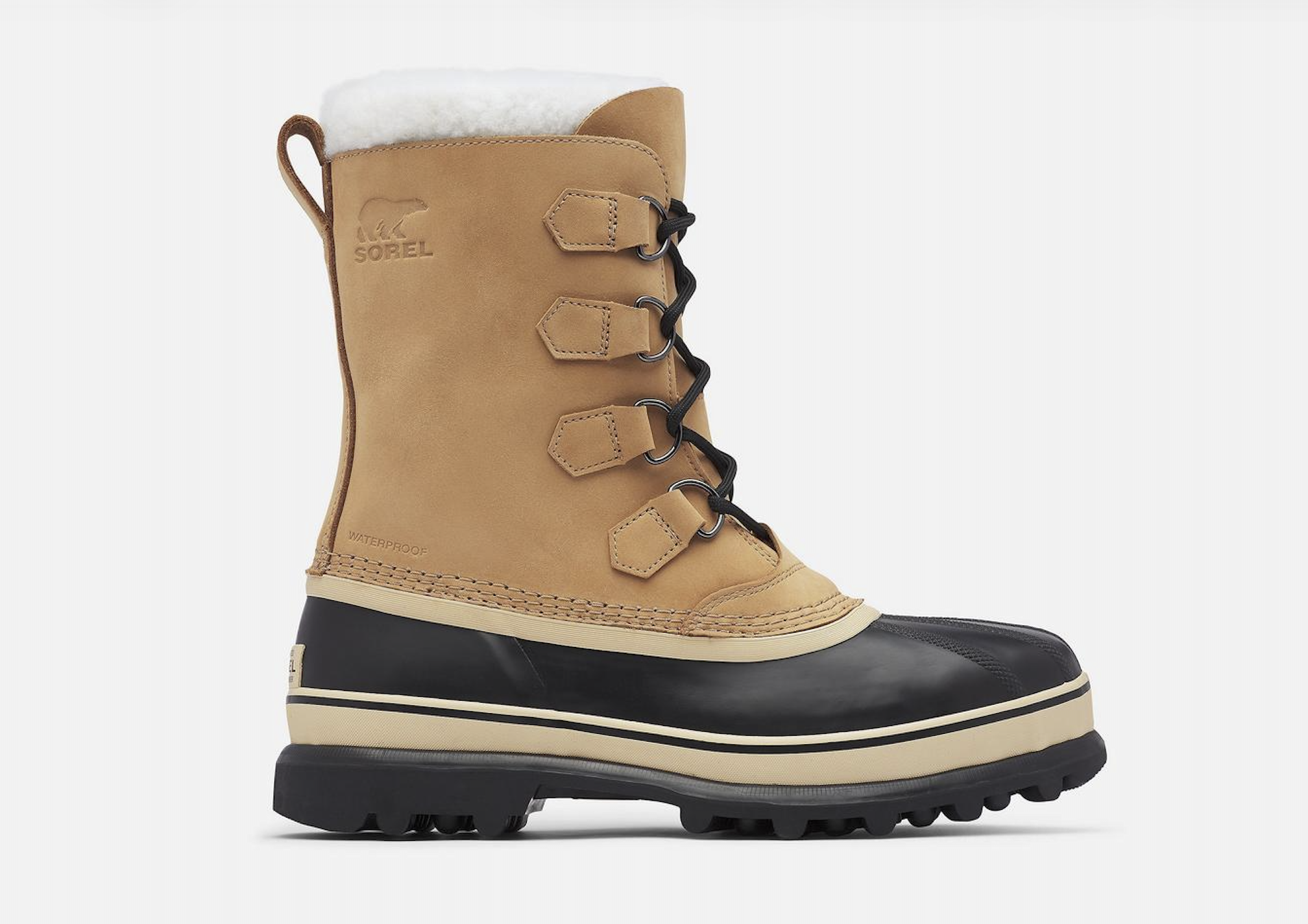
Boots are heavily subjective. I recommend going tall and waterproof with an athletic fit (if possible). A good sole and grip is essential. The SOREL Caribou waterproof boots are what I wear throughout the winter. They are heavy, but they are tough, warm, and comfortable.
Miscellaneous Gear
Tripods
There are many different tripods to fit a variety of needs for photographers. For wildlife photography, a tripod that is light enough to not weigh you down and is strong enough to hold heavy lenses is what you’ll need to look for. The Sirui W-2204 Waterproof Carbon Fiber Tripod and the Sirui W-2004 Waterproof Aluminum Alloy Tripod are excellent. The carbon fiber option is lighter. I’ve heard it said that the aluminum is stronger in extreme cold. I have yet to find out the hard way which is stronger.

Gimbal
There are many great-looking and high functioning gimbals out there now. For wildlife photography, I like the Wimberley WH-200 Gimbal Tripod Head II with Quick Release Base. It is strong, easy to use, and has a nice smooth motion when set properly. Note: The metal on this gimbal gets very cold. If there is something you can wrap around the main beam to avoid as much cold to the touch, it’s worth considering adding that.
Sunglasses
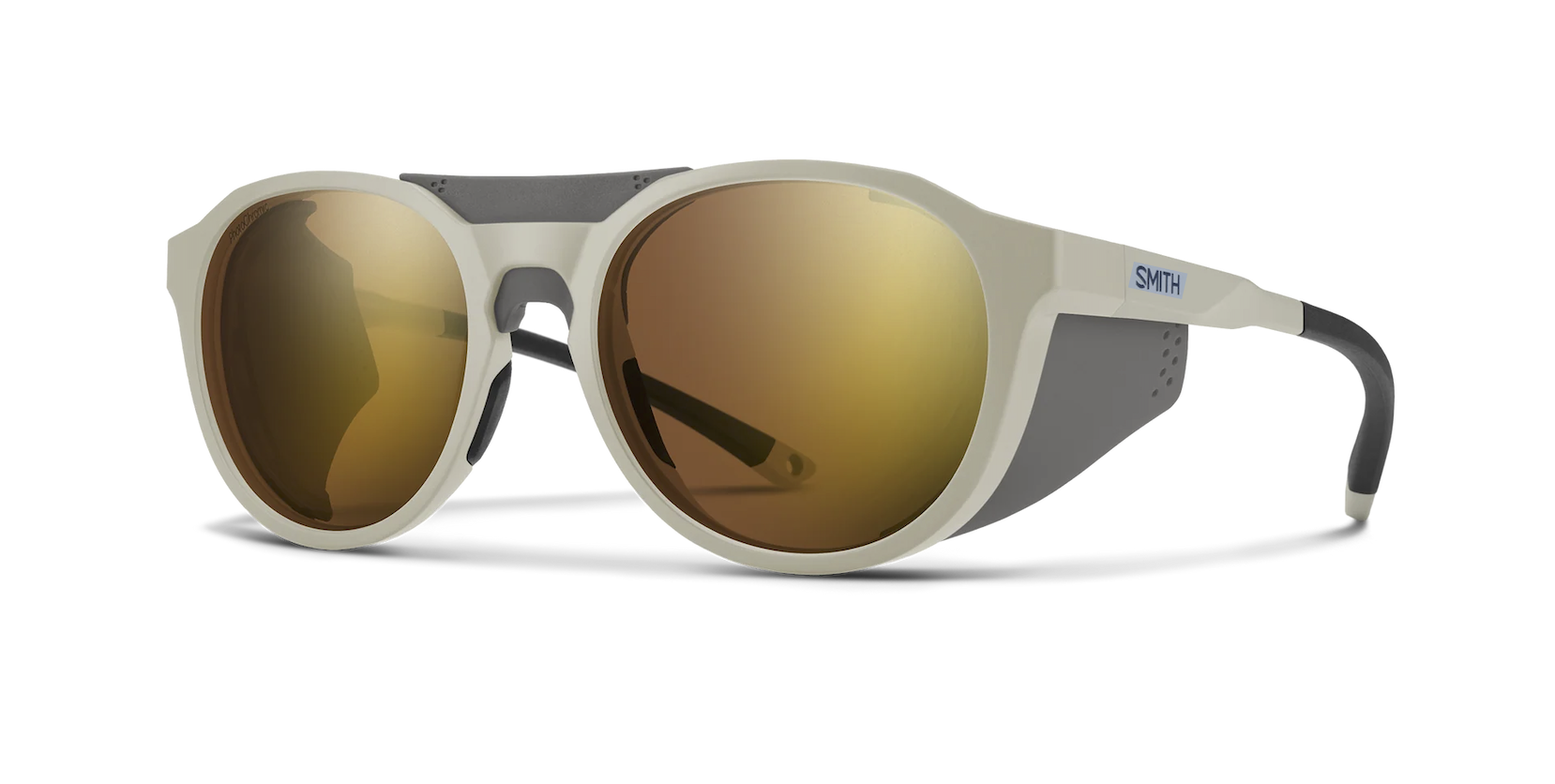
Good, quality polarized sunglasses can really help you see and reduce eye fatigue. Smith and Costa are among a number of top brands. The Smith Embark and Smith Venture sunglasses offer side shields that block light from the side, which can be very useful, especially if there is glare from snow. Smith goggles can also be great for full coverage when you are surrounded by snow and likely to be impacted by glare.
Backpacks and Packs
For carrying gear in the field, I highly recommend f-stop backpacks, and I am proudly a Pathfinder Ambassador for f-stop. The Mountain Series packs have gone with me to mountain shoots all over the world. I currently use the f-stop ANJA 37L DuraDiamond, the TILOPA 50L DuraDiamond, and the SHINN 80L DuraDiamond backpacks.

When I am solo and on most trips, I use the TILOPA. If I am guiding or need more than one big lens with me, I go with the SHINN. I have put these packs through a lot, and they are durable and tough while remarkably comfortable to wear for hours and hours on end. These packs have an endless number of features, but their comfort and ability to withstand weather and more are at the top of my list of reasons to go with one (or all) of these packs. If it’s -20 degrees and snowing, I’m confidently and comfortably carrying an f-stop pack.
Drinkwear
One of the most important items you can have with you in the mountains is water. Camelbaks are easy and convenient and can often be incorporated into your pack.
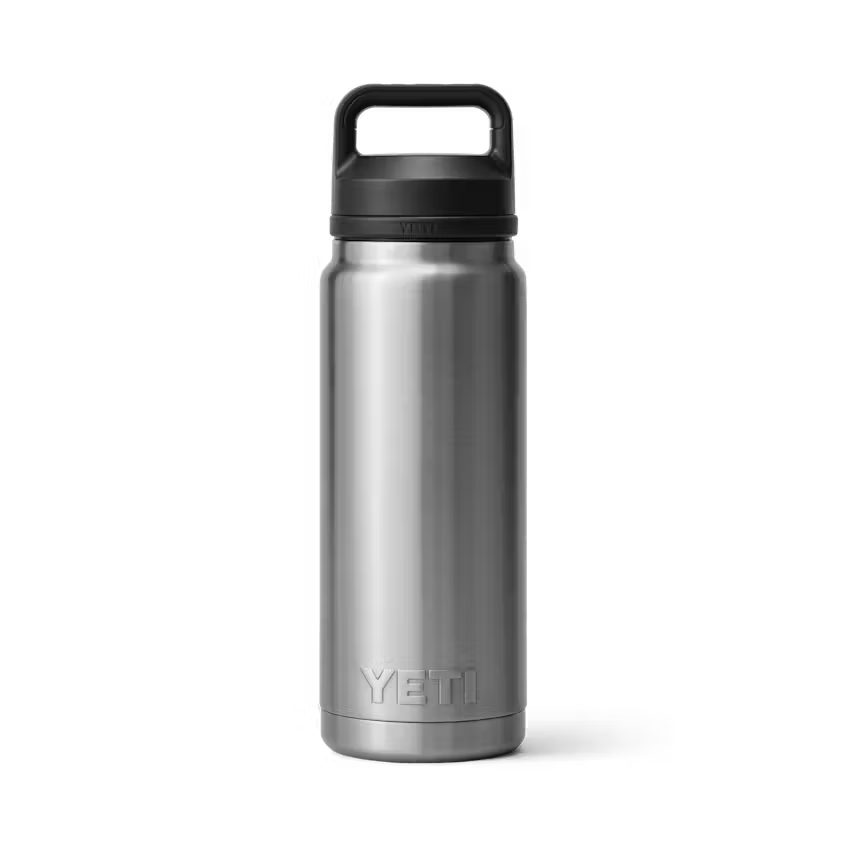
The YETI Yonder bottles are fairly lightweight. The YETI Rambler bottles are not lightweight, but they can keep your coffee warm. I always want to pack light, so the YETI Yonder or a Camelbak might be my first choice in general, but the YETI Rambler will keep liquids warm or from getting to cold or even icy. They are heavy, but sometimes that’s worth the trade.
Trekking Poles
As photographers, and especially as wilderness photographers, we carry heavy loads on uneven terrain, and we frequently need to hike to get to our subject. Trekking poles are great for keeping balance and hopefully decreasing fatigue. In the snow, they can be invaluable for balance, especially when you are wearing a heavy pack. The Black Diamond Trail Cork Trekking Poles are excellent. The Black Diamond Alpine Carbon Cork Trekking Poles are a bit lighter but also nearly twice the price.

Headlamp
I won’t go many places without a headlamp, even if it’s just in the glove box of the truck. In the winter, everything from the weather to an injury can dramatically impact your plans for the day. Lights are safety gear when conditions are harsh and plans are derailed.
For photographers, they care useful for everything from sorting through gear at low light to being a light source when hiking. My favorite headlamp is the Fenix HM50R. This headlamp offers good brightness and distance and a rechargeable battery. There are other features, but the rechargeable battery is what makes this the preferred lamp, especially for travel or multiple days in the outdoors. The Black Diamond Storm 500-R Rechargeable Headlamp is also a good option. Batteries don’t last as long as you’d like in the cold. A rechargeable headlamp is the way to go.
Multi-tool
The Leatherman Skeletool has come through when things go wrong. Good for gear fixes.
Other
Even in winter, you’ll need bear spray. Better safe than sorry. You can’t fly with it, but many stores around the Park carry it. You can also order it and have it waiting for you at your destination.

When photographing wildlife in the cold, and especially with big files from these high megapixel cameras, it is easy to blow through batteries. And you’ll need SD cards that are known to be tough in the cold or even in frosty conditions. Pack extra batteries and cards, and be certain your cards are fast enough to take on high burst rate shooting sessions. I rarely use warmers for my hands or feet, but many consider them essential. The Heat Company makes good ones that are compatible with their mittens. Warmers can also be very useful for keeping batteries warm over the course of a day. If you don’t have warmers for your batteries, consider keeping them in a pocket that’s as close to your body as possible so that body heat can help keep them from getting too cold.
You can never have enough lens wipes, and a lens cover can be key in a downpour or snowstorm. Lastly, always consider safety and safety communications. A Garmin inReach Mini 2 is a very lightweight and compact satellite communications tool with an easy-to-access SOS function. Better safe in the wilderness or even in the car if you have car problems in an area that doesn’t have cell service. For that reason, you might also consider a satellite phone. Every minute matters in the backcountry in the winter. I use the Iridium Extreme 9575 Satellite Phone. I am also an ambassador for Global Rescue and highly recommend a Global Rescue membership so that you are best prepared for an emergency.
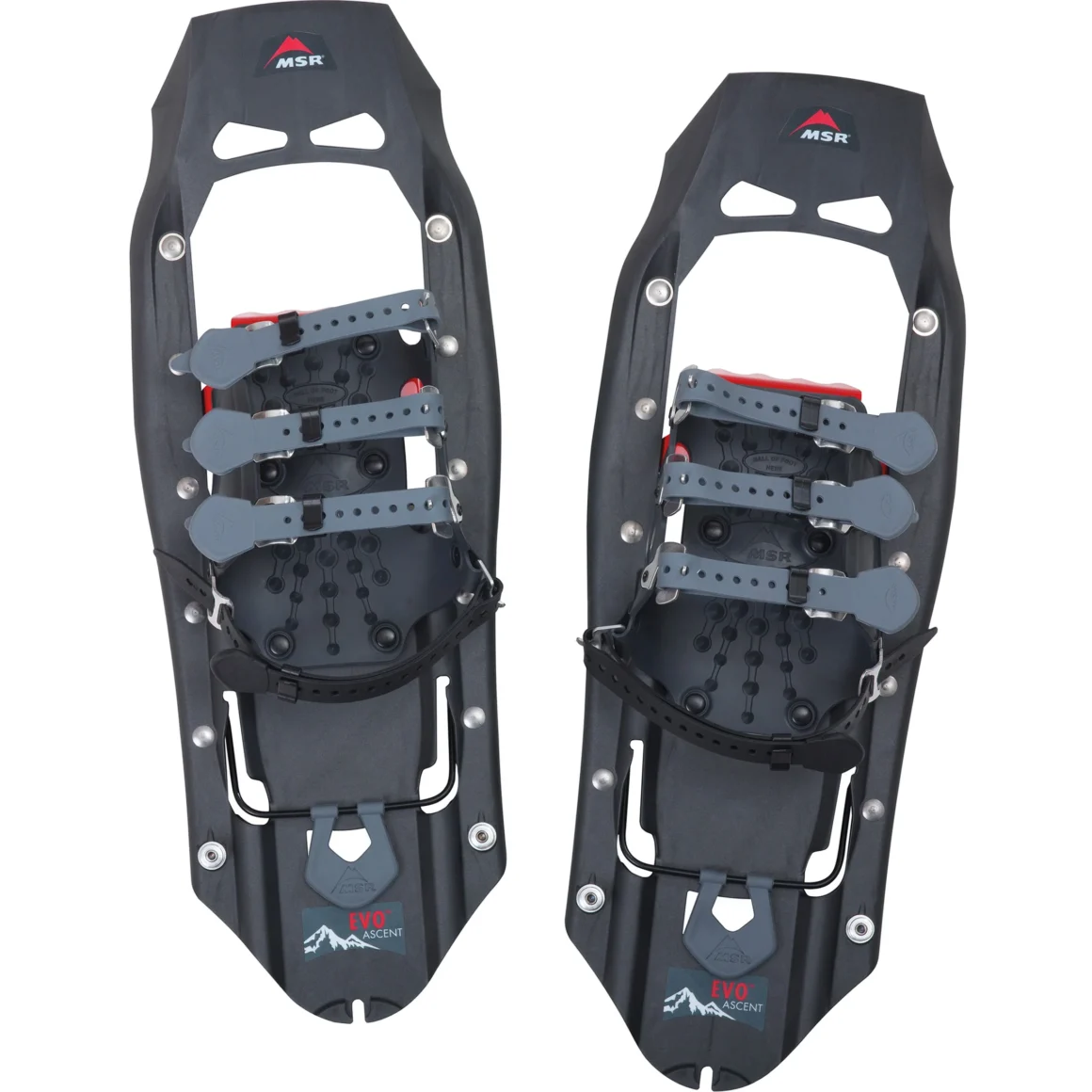
If you are planning to hit a trail or trek through the snow, snowshoes can help a great deal. The MSR Evo Ascent snowshoes are fairly lightweight and are great snowshoes. With respect to sizing, do consider the weight of your gear when deciding what size to get.
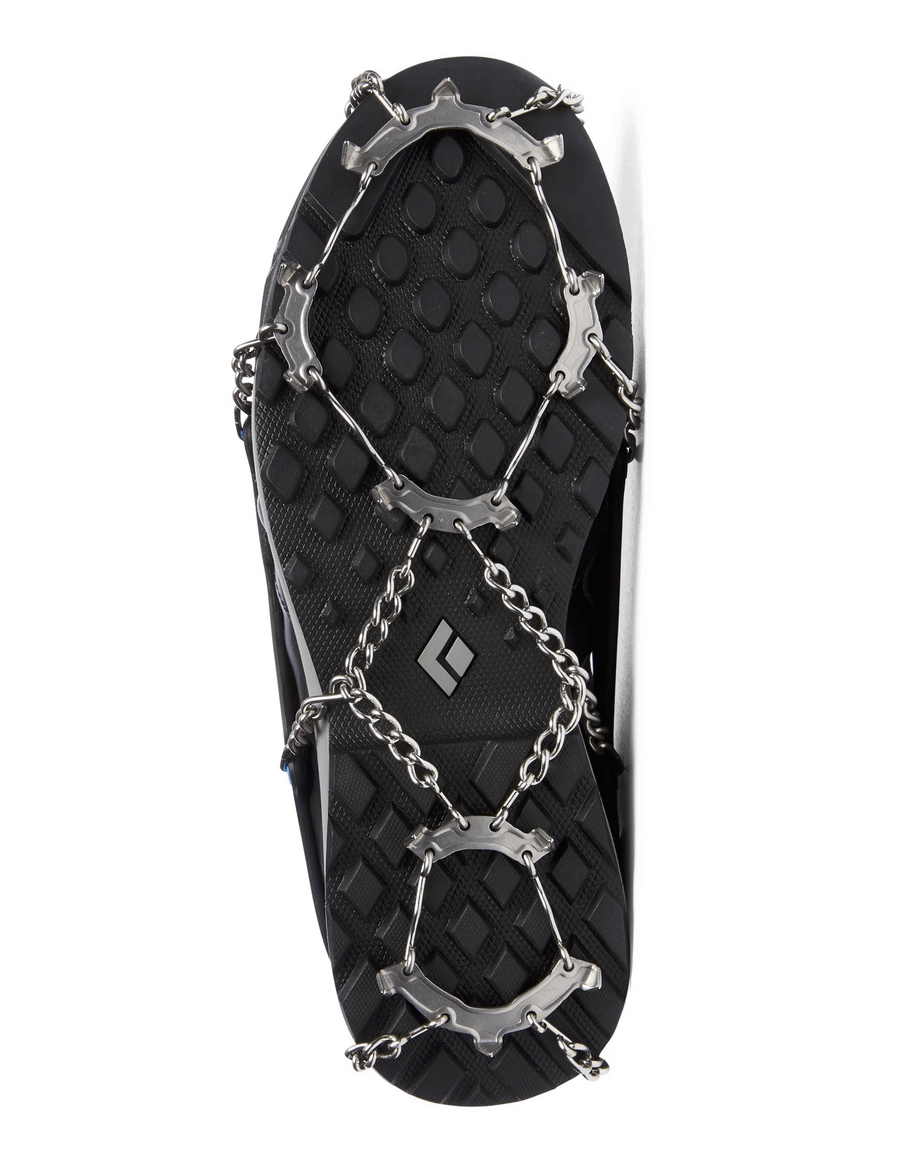
And even if you don’t plan long treks in the snow, ice is often a factor, even if you are shooting close to the car or a road. When there is ice, ice spikes can be gear gear for both safety and mobility. If there is ice and any incline or decline on the trail or road, you might not be able to move fast enough to get to where you need to get the shot. The Black Diamond Distance Spike Traction Device goes over your boots or shoes. You won’t want to wear them in the vehicle, and they are easy enough to take on and off outside the car/van/truck. When thinking about sizing, remember your winter boots might be fairly large, and spikes need to wrap around those potentially large soles.
— Tim Harden
–
–
Disclosure: Some of the companies above are in a professional relationship with the Bighorn Wilderness Tours. There are also some affiliate links in this post. Though potentially benefiting from this relationship and these links, we do not post what we do not believe to be true. To read more, click here.