
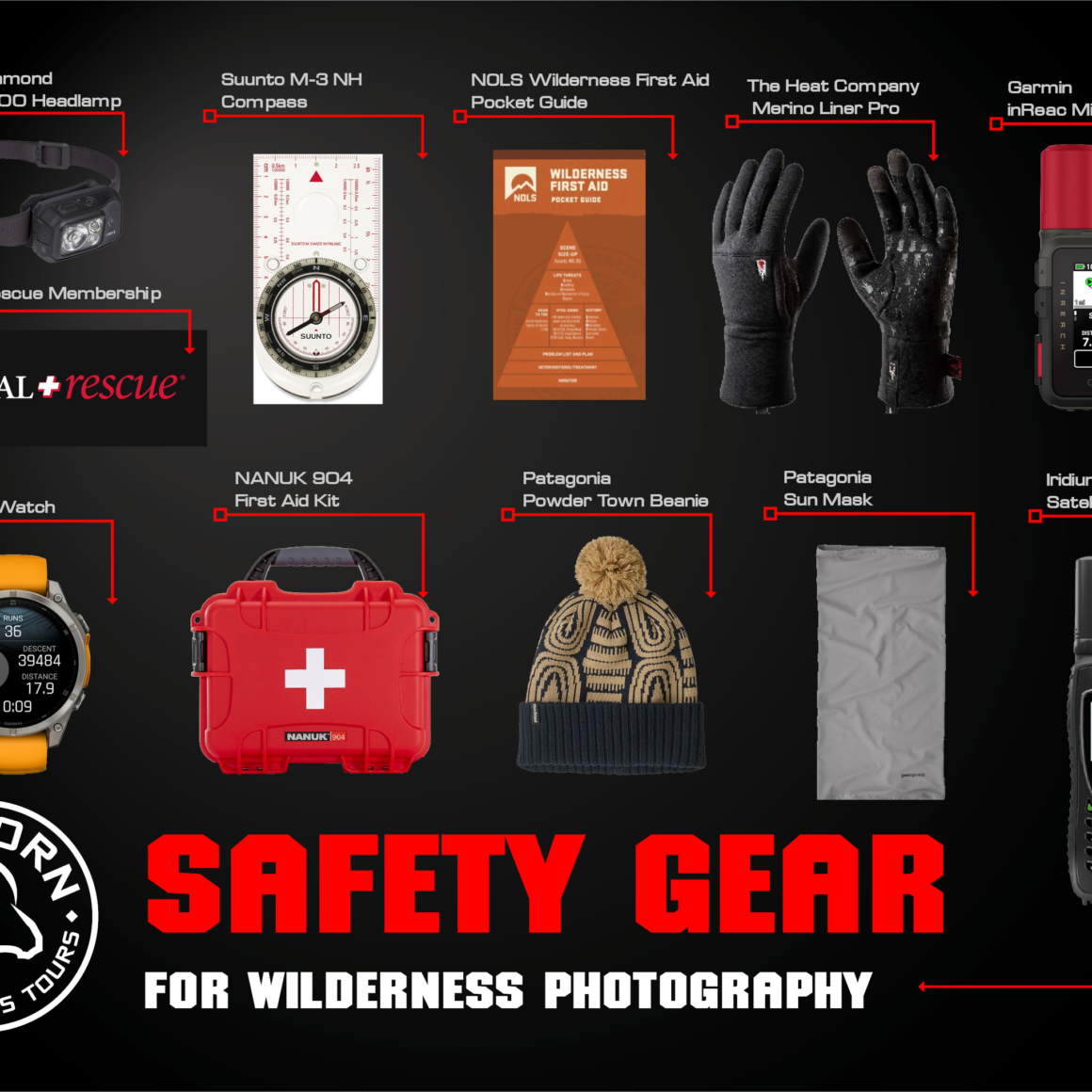
Photographers who spend time in the wilderness and traveling should always have safety at the forefront of their minds. Injuries and accidents often happen in the home, but when we mix in travel, road, rail, planes, helicopters, tough terrain, trails, rivers, seas, mountains, wildlife, and more, the need to be more mindful and prepared increases exponentially. A “better safe than sorry” approach can go a long way, and it’s my way of operating when in the field, traveling, and guiding. Below are some recommended safety gear items for wilderness, travel, and adventure photographers.
(Note: While comprehensive, this list isn’t necessarily complete, and it is always recommended that when it comes to health and safety, people seek out the advice of experts with the highest levels of training.)
Global Rescue
Before diving into gear, Global Rescue should be mentioned. I have been a longtime member and fan of Global Rescue and have more recently been a Global Rescue Safe Travel Partner and ambassador. Accidents happen, and injuries happen. Add in that I put myself in the wilderness and sometimes extreme environments while operating on an artificial hip, knowing I have Global Rescue puts my mind at ease. Depending on the membership level, Global Rescue provides medical evacuation and advisory, worldwide field rescue, and more. When I was recently in the Middle East as war broke out in a nearby country, I knew I had Global Rescue as a resource and even had extraction services available if needed. If I dislocate my hip in a remote mountain destination, I have their number on my satellite phone as one of the first numbers to call.

Satellite Phone
While many smartphones now have satellite features that can be used at times, I still go with a satellite phone on most trips (assuming other countries permit them). And every time I wonder how much longer I will need a separate device for satellite calls and texts, I see a need. Spending a lot of winter in Yellowstone, I am sometimes the first on the scene of an accident. Rather than seeing if I have satellite access on other devices, it’s useful to simply turn on the sat phone and make a call. I use the Iridium Extreme satellite phone. Frankly, I went with this one because it was recommended by others. It’s small(ish), light enough, has a good grip, and it can apparently withstand tough weather conditions, though I haven’t had to push mine just yet. I do with the antennae folded in and didn’t seem vulnerable when not in use, but I’m also not hearing about them breaking. I keep mine in a small Pelican 1060 Micro Case for protection. It fits almost perfectly alongside its charging cord. The phone is also useful because it has an SOS button. I keep the contacts of Global Rescue, Grand Teton National Park rangers, Yellowstone National Park rangers, sheriff’s offices, loved ones, and other emergency contacts saved. One more tip: Let others in your party know where your phone is and how to use it in case something happens to you.
Garmin InReach
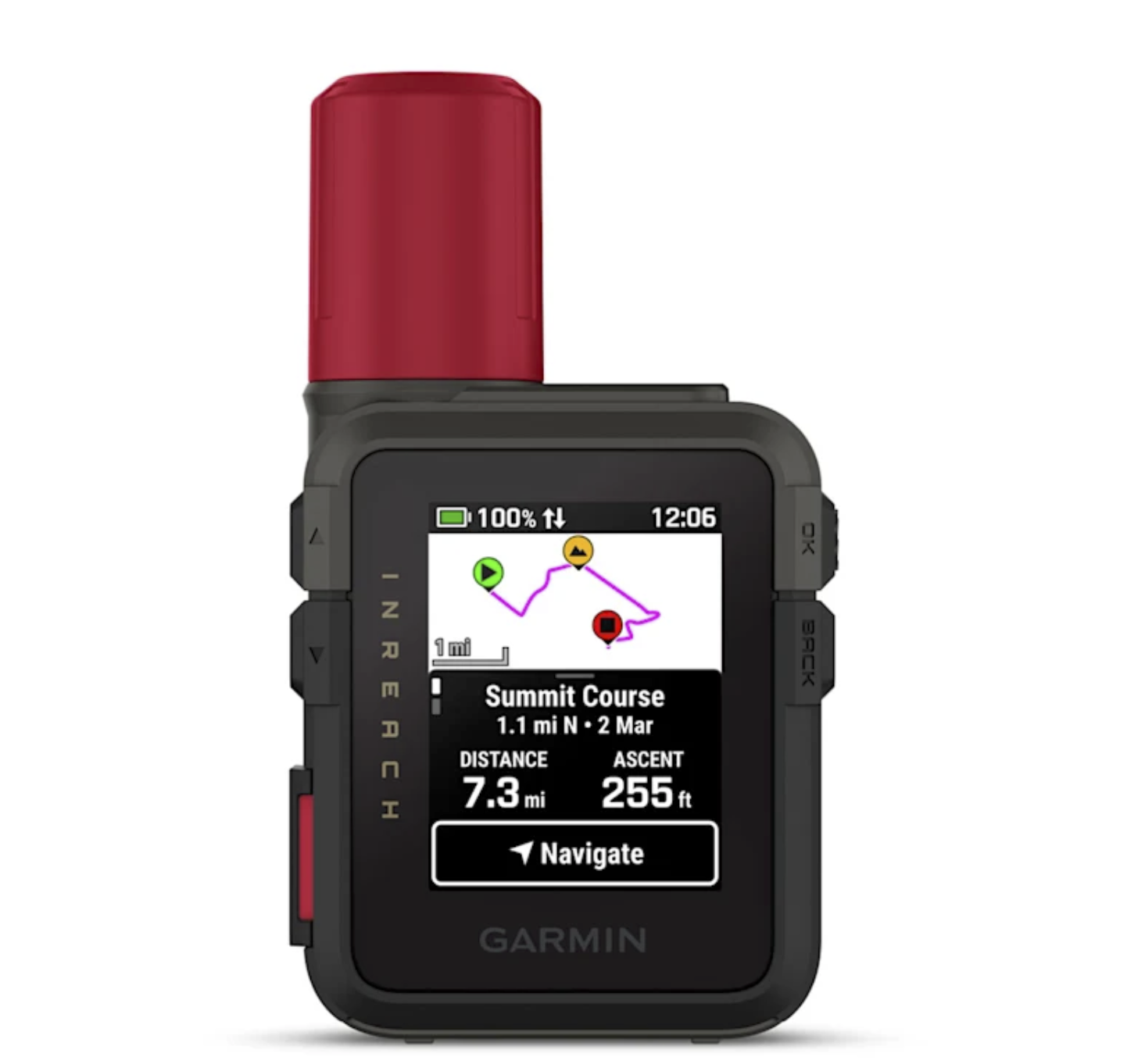
In addition to a sat phone, I use a Garmin InReach. Overkill to have both? Maybe. But again, better safe than sorry. There are SOS features, tracking tools, and more. It’s always important for someone else to know your whereabouts and plan, but you never know what might happen. You could tell others you’ll be home for dinner then you unexpectedly see a grizzly bear strolling through a meadow and want to say longer. The messaging features are great for keeping people updated about changes of plans.
Smart Watch
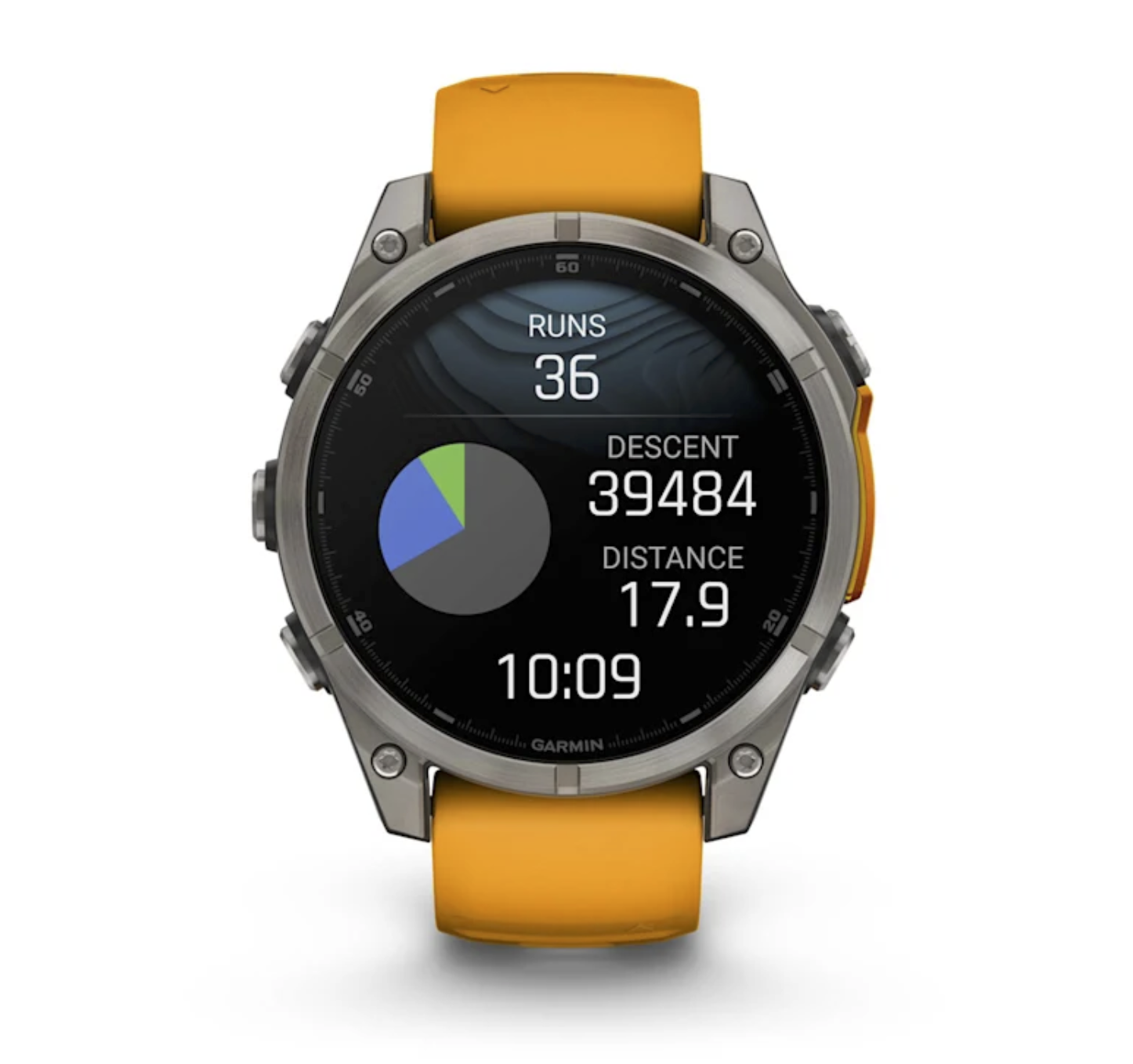
The overkill question might emerge here again, but as a guide in extreme environments that are off the grid, a watch is another useful safety tool. I use a Garmin watch but frankly haven’t deeply explored all options. I chose the Garmin for durability, resistance to water, battery life, and features such as tracking distance, altitude, and weather. If you are responsibility for the safety of others, a watch is important for checking someone’s pulse and breathing. That alone justifies a smart watch as a guide.
Bear Spray
In bear country? Bear spray is a must. In the wilderness but not bear country? Could still be useful, especially for safety from other potential threats. It’s important that all members of a group have a canister on hand. Note: You cannot take bear spray on planes, so have a plan for getting some when you arrive to your destination. Depending on the state, you might be able to order a canister and have it delivered to your final destination. In bear country, many grocery stores and gas stations will have it available. If it’s high tourist season, it could be out of stock, so plan for that. Also, have a good holster and know how to use the bear spray. Look at how it functions before heading out into the field. I highly recommend watching the bear spray section of this video.
Water Filter
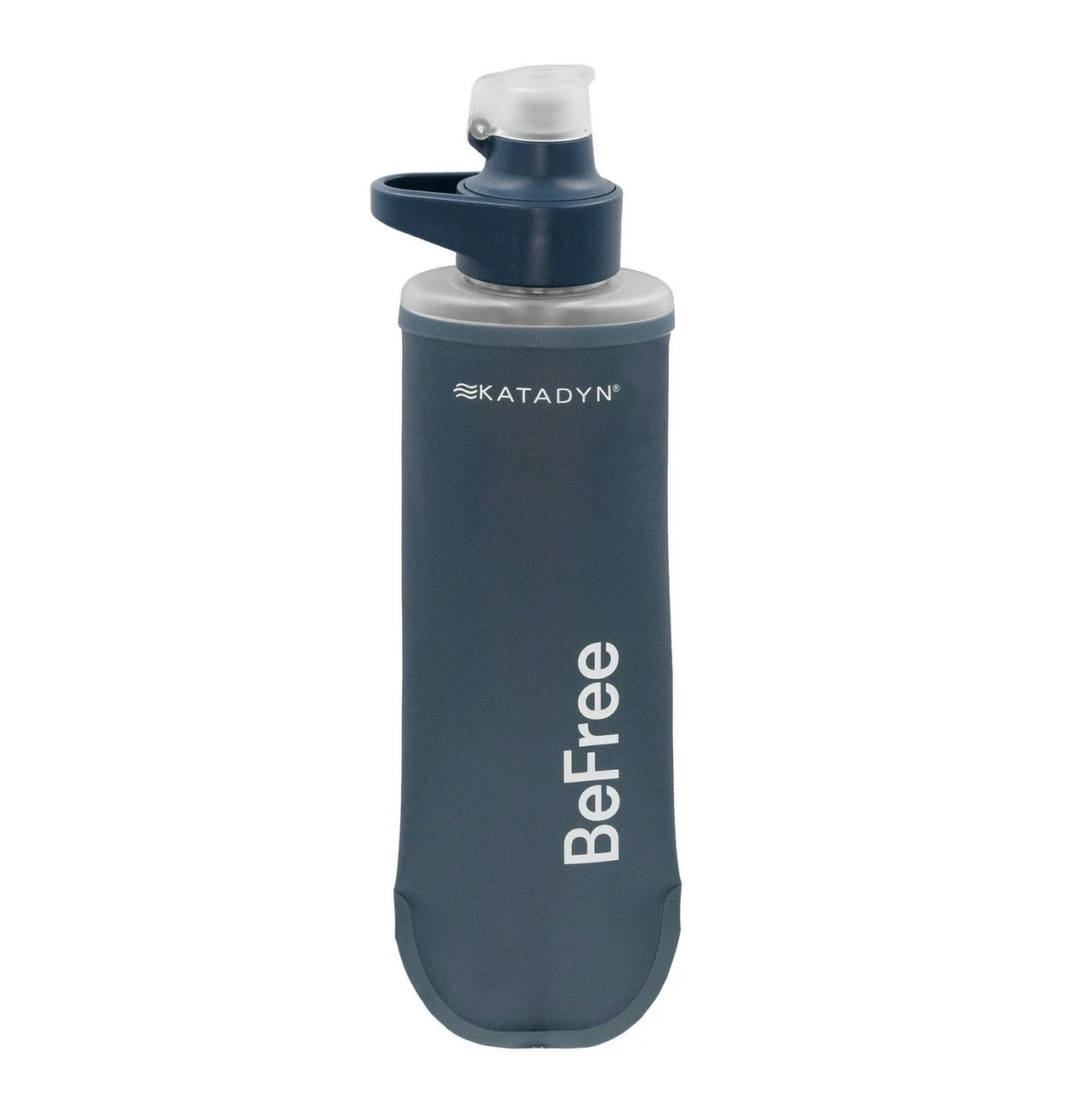
Plan for the unexpected. When I was young and foolish and got lost alone in the wilderness of the Rockies in Colorado, running out of water made for a bit of a crisis. I now use a Katadyn BeFree water bottle filter. I’ve maybe only used it once, but when in the wilderness, I can fill the soft membrane with water from a stream then have it filter before drinking. It packs small and only weighs 2.5 ounces.
First Aid Kit
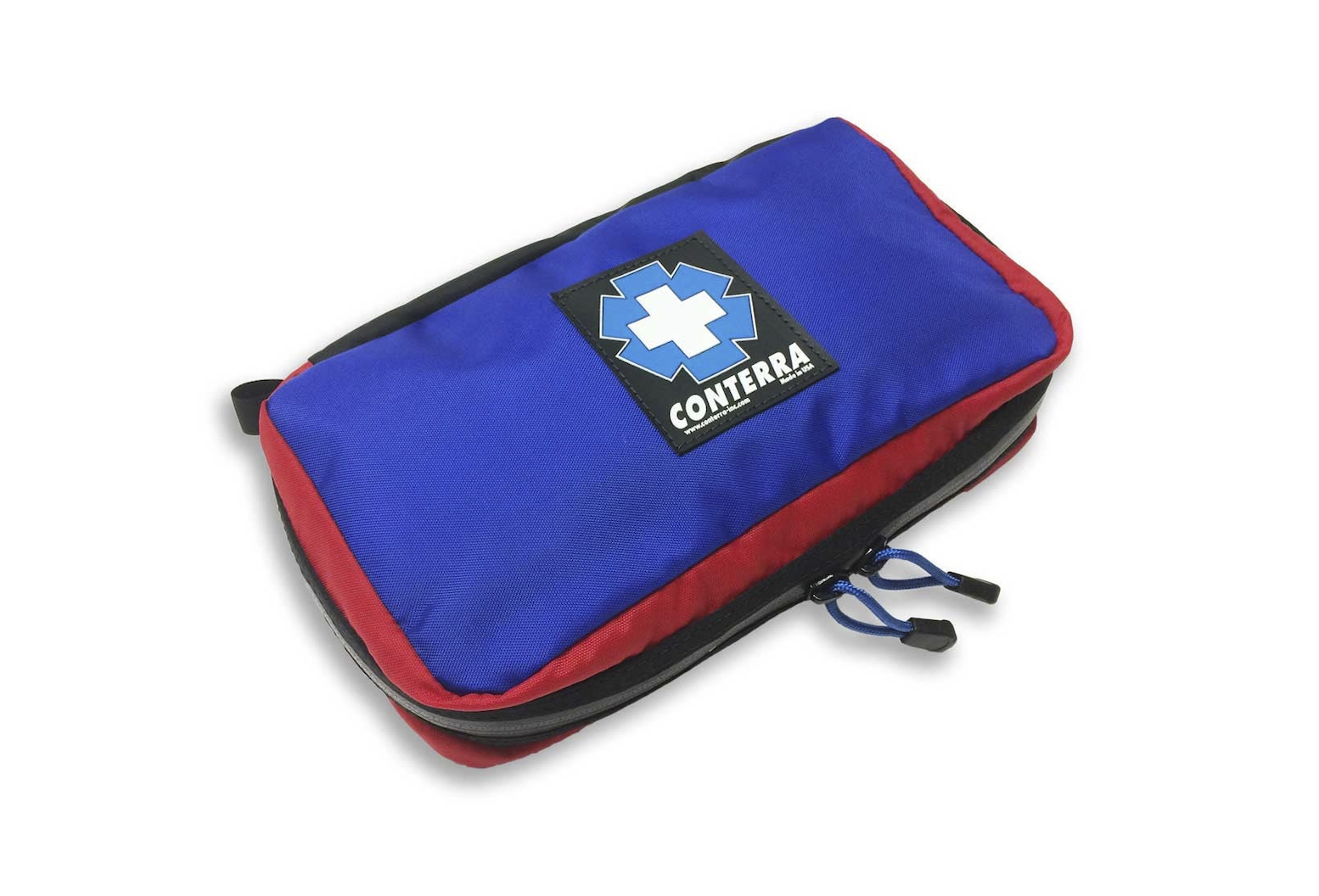
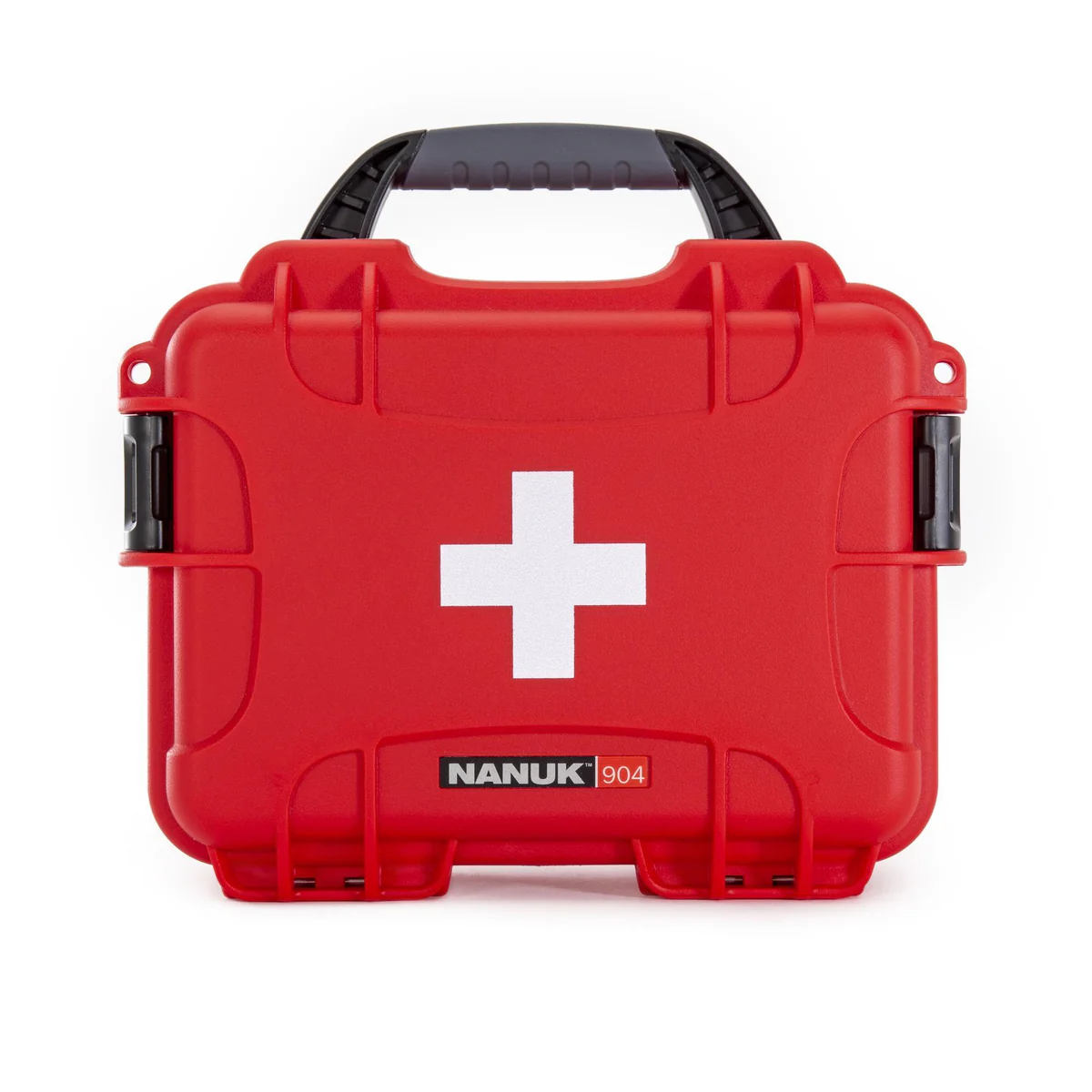
With first aid kits, I lean heavily on the better safe than sorry mindset and have several kits. I keep a simply first aid kit in each vehicle then have a more developed kit for when in the field. A wilderness first aid instructor recommended Conterra kits to me long ago, and I have gone with these kits ever since. When you get a first aid kit, see what it’s included but also not included. I sometimes add some items. For wilderness photography, it never hurts to have extra blister care materials as blisters are a common issue. I also keep a very small Moleskine notepad and a pen in a little waterproof bag. I might use this for documenting important information such as heart rate, times, symptoms, and more in an emergency situation. It’s also important to familiarize yourself with your kit before heading out in the field. Know what’s in it and where everything is. Time is often essential in the backcountry.
Sun Protection
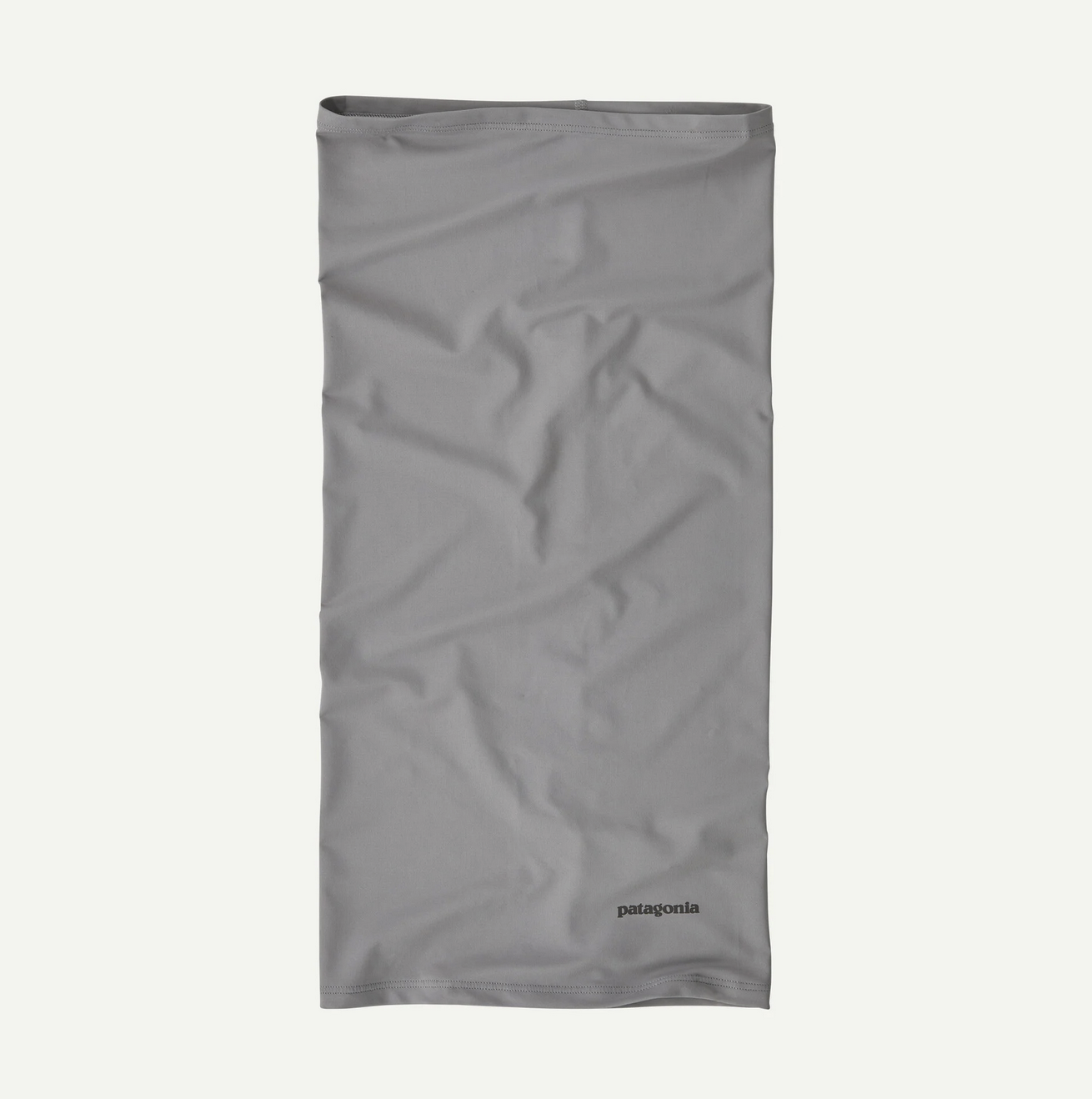
As photographers, we are generally very aware of the sun, but in the outdoors, specially at altitude or in areas where there is more sun intensity, it is important to plan for sun protection. Lip balm, sunscreen, hats, masks, gloves, and more can be important for skin safety, but also, from a practical level, the sun can overheat you, tire you, contribute to hydration issues, and sunburn can impact a trip and your own functionality. Lip balm and sunscreen preferences are hard to recommend. Some sunscreens are problematic for sea life and might be banned in places like Hawaii, so pay attention to that. As far as sun masks, I do like the Patagonia Sun Mask. For me, it seems lighter and more breathable than others I’ve had from different companies. I believe I’ve actually had some other neck/facewear contribute to me getting too hot. The Patagonia Sun Gloves are also very lightweight and help keep the tops of your hands from getting too much sun exposure. The fingers remain exposed, which is useful for photographers. Both of these sun protection items are so lightweight and easily packable that they are almost always in my camera kit.
Learn more about the Patagonia Sun Mask.
Learn more about Patagonia Sun Gloves.
Vehicle Kit
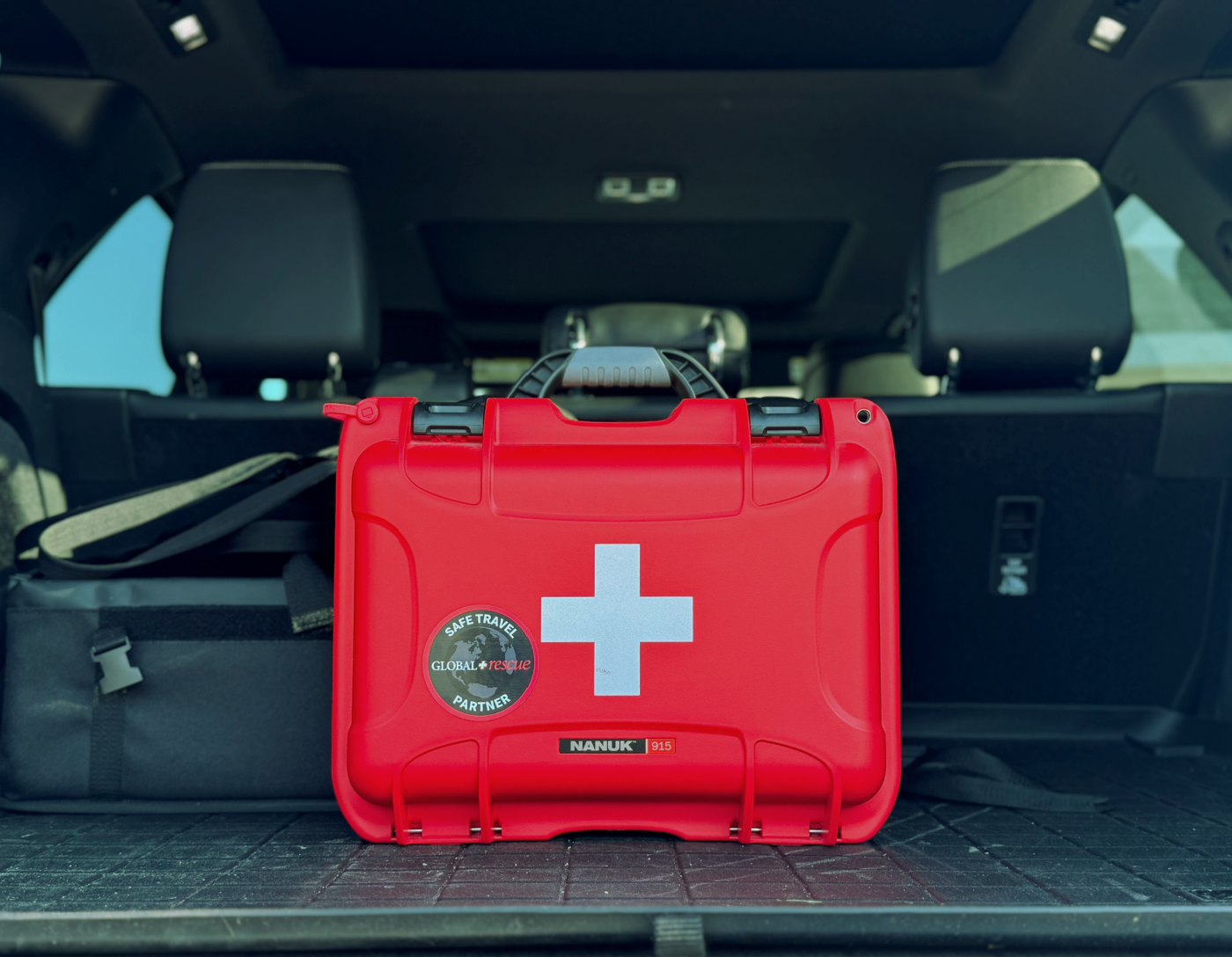
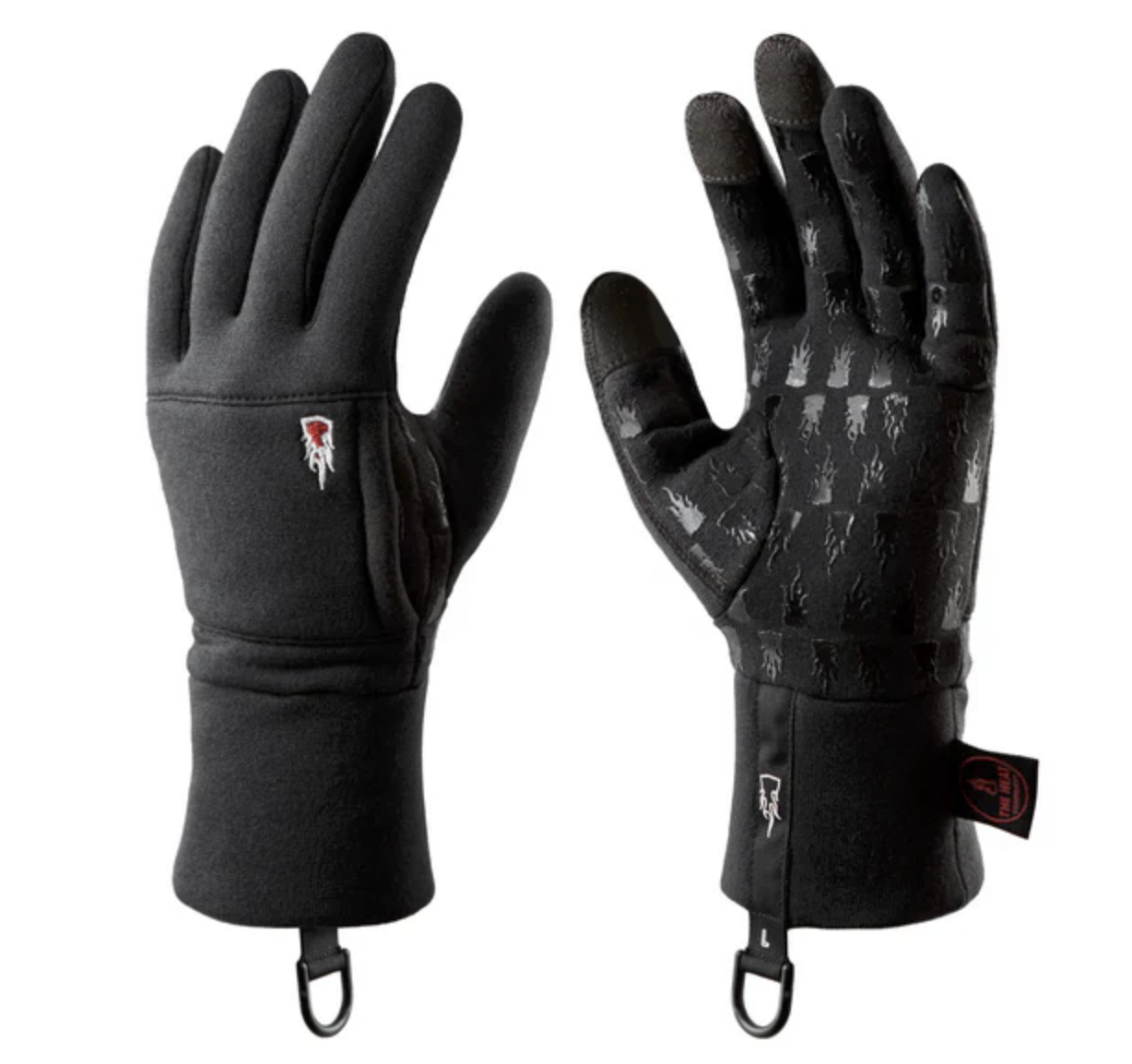
Cars have mechanical problems, accidents happen, and traffic or other incidents can keep people stranded on remote roads for many hours. In the colder months, I recommend having a kit in the car that might include first aid essentials, water, snacks, a warm hat, ski socks, and a sleeping bag. I use the Merino Liner Pro gloves from The HEAT Company quite a bit, and these would be good to have on hand in the vehicle. Consider other items that might be important to have if stuck for a while, especially in winter or cold conditions.
Headlamp
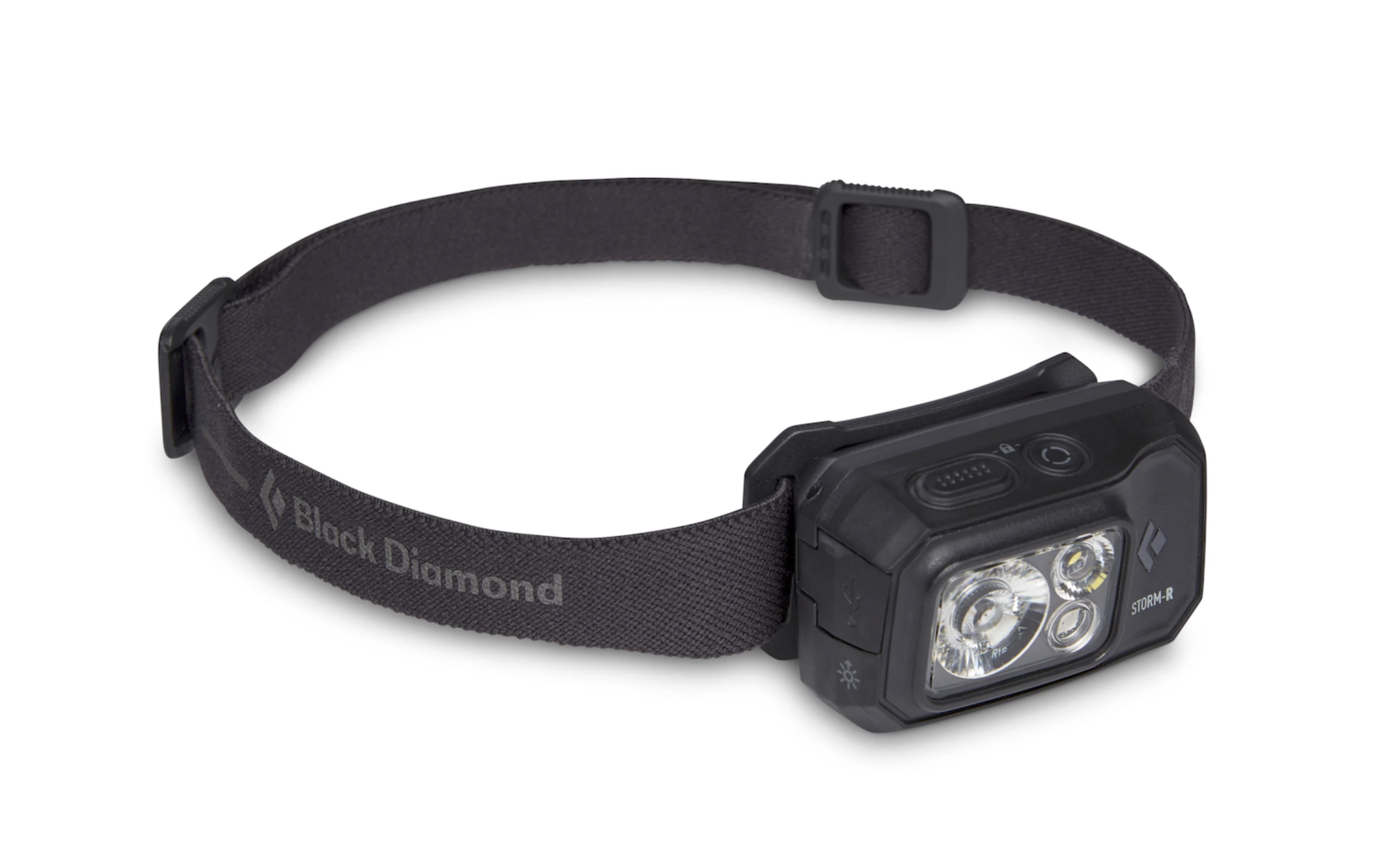
As a photographer, a headlamp is a great tool for having light when going through gear in the dark, hiking, and more. In many instances, I use headlamps when I might not expect to. For example, if there is a vehicle issue or someone drops something, and it’s helpful to have both hands free. In tough terrain, you might want your hands free while hiking with artificial light. In a first aid situation, a headlamp keeps your hands free while working, and these lights can help others find you. I recommend lightweight headlamps that have a long battery light and can withstand some tough weather. Black Diamond is always a favorite, and I go with their rechargeable options to minimize environmental impact. It’s also generally easier to figure out how to charge a headlamp than find batteries when in a pinch.
Multi-Tool
Many photographers already keep multi-tools on hand. I love the Leatherman Skeletool series. They aren’t as light as I’d like them to be, but the variety of tools could potentially be very helpful.
Avalanche Beacon
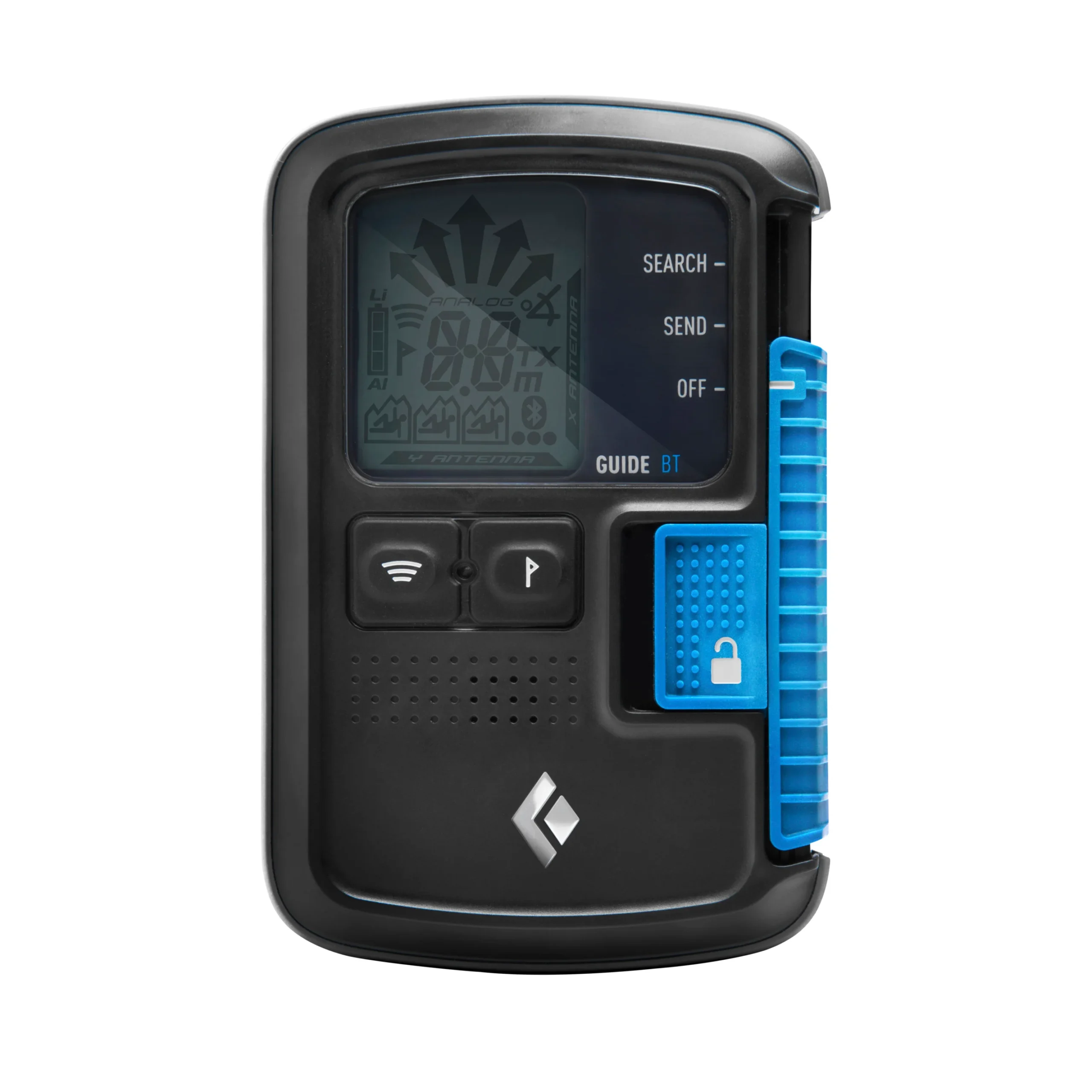
An avalanche beacon might stand out as unnecessary, and for most, there’s probably no need to be concerned about avalanches. However, I guide and am in the field a lot in the winter. If you are using snowshoes or hiking at an incline of at least 30%, having a beacon and knowing how to use it could be critically important. Note: Do not simply trust that 30% number, and make a judgement from there — Some would argue that number should be higher, and others would point out that avalanches can travel to lower, flatter areas with a lesser incline.

Compass
Most of us have map apps and other digital tools for navigation, but if those fail, it’s important to not only have a compass but know how to use it. Below is the compass I keep on hand, but I do not know whether or not it is the best.
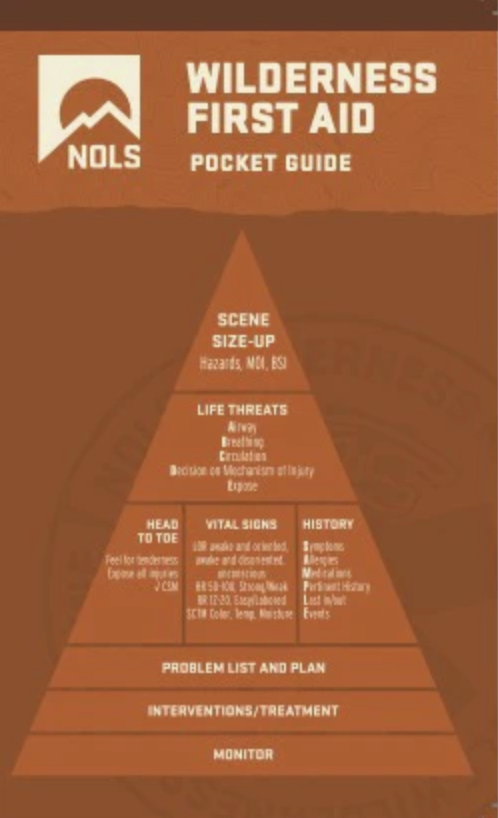
Wilderness First Aid Pocket Guide
If you have had wilderness first aid training, much of the material in this pocket guide will be familiar. And you likely know it’s easy to forget steps and practices for caring for someone in the wilderness if it’s not continuously in practice or if you are also taking on the stress of an emergency. I keep these in my first aid kit.
Miscellaneous Other Items
- Snacks
- Think nutrition as the primary need with snacks. Nuts, protein bars, and other items that offer fat, sugar, and protein should be considered.
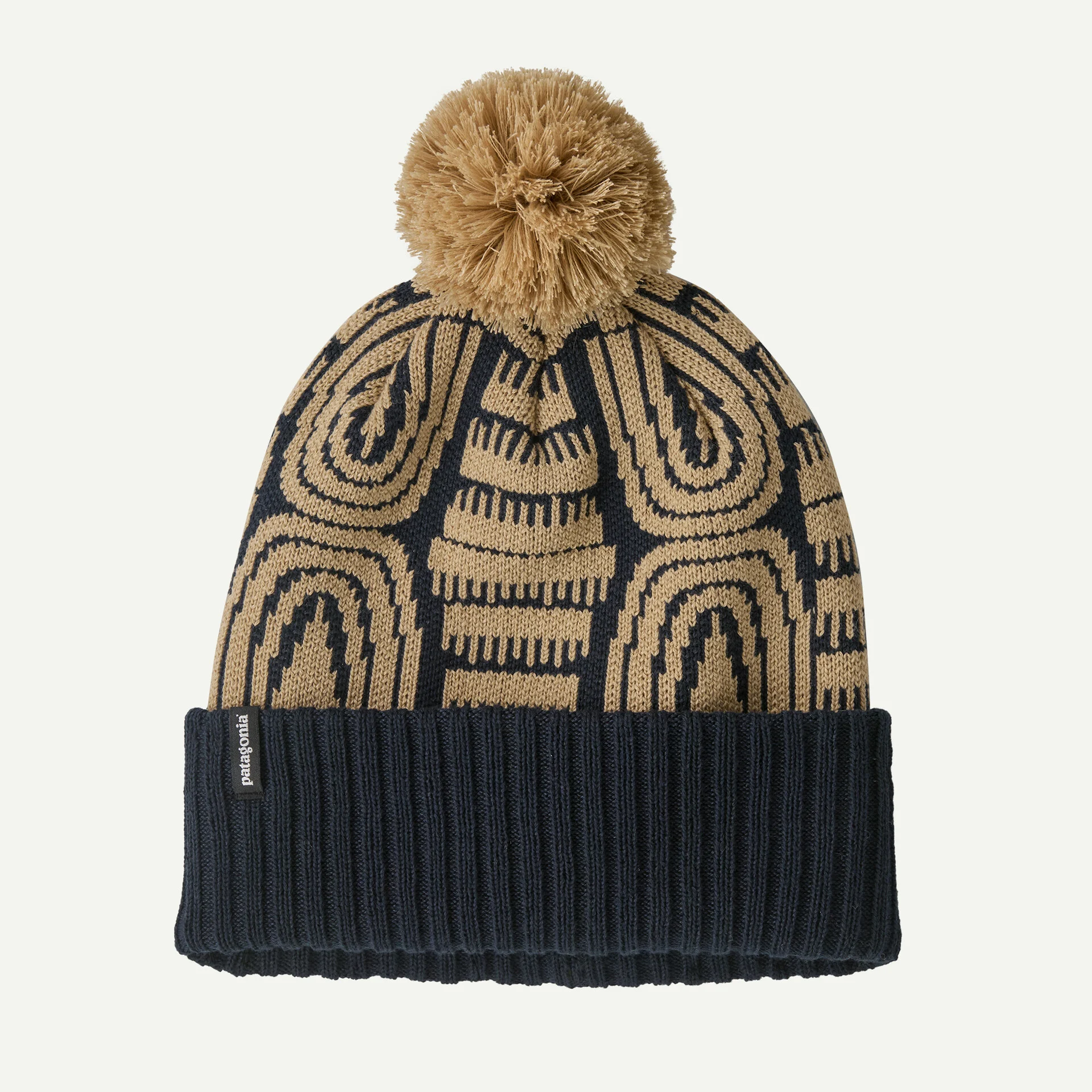
- Extra Socks and a Beanie
- Keeping your head and feet warm is important in cooler conditions and in many emergencies.
- Whistle
- Having a whistle accessible can be useful if in distress, in need of attention, or need to be found by rescuers. See here.
- Emergency Blanket
- These are easy to pack and can help you keep warm if needed. See here.
- Duct Tape
- You never know when you might need it.
- Over-the-Counter Medications
- I want to want to be very cautious about any recommendations here, but many people consider anti-inflammatory, anti-diarrhea, and other items.
- Electrolyte Tablets
- I like the Nuun tablets, but there are many options for getting electrolytes and helping with hydration. See here.
— Tim Harden
–
Disclosure: Some of the companies above are in a professional relationship with Bighorn Wilderness Tours. There are also some affiliate links in this post. Though potentially benefiting from this relationship and these links, we do not post what we do not believe to be true. To read more, click here.